A Guide to Chronograph Types and How They Differ in Performance

A Guide to Chronograph Types and How They Differ in Performance

The chronograph is arguably the most versatile complication in watchmaking. Born of a need to measure elapsed time — whether for horse races, aviation, motorsport, or scientific observation — it has evolved into a defining symbol of mechanical prowess and everyday utility. Yet not all chronographs are created equal. Beneath the familiar pushers and subdials lie fundamentally different technologies, architectures, and performance characteristics.

Chronograph Types Decoded: Performance, Precision, and Purpose

Understanding the differences between mechanical, quartz, and meca-quartz chronographs, along with concepts like flyback functionality, multi-hand layouts, tachymeter scales, and real-world accuracy, allows enthusiasts to appreciate not just how a chronograph looks, but also how it truly performs on the wrist.

Mechanical Chronographs

Mechanical chronographs are powered entirely by springs, gears, levers, and cams. Activated by pushers, the chronograph mechanism engages a series of components that start, stop, and reset the timing function — all without electronic assistance.

There are two primary control systems in mechanical chronographs:

  • Cam-actuated chronographs, which are robust, cost-efficient, and widely used in entry- to mid-level mechanical chronographs.
  • Column-wheel chronographs, prized for their smoother pusher feel and refined engagement, typically found in high-end and haute horlogerie pieces.

From a performance perspective, mechanical chronographs offer a sweeping seconds hand and a deeply tactile experience. However, their accuracy is limited by the mechanical movement itself, typically ranging between ±5 and ±10 seconds per day, even in well-regulated examples. When the chronograph is running continuously, amplitude drops can further affect timekeepin

Mechanical chronographs excel not in outright precision, but in mechanical theatre and craftsmanship — a miniature machine performing a complex ballet of motion.

Quartz Chronographs

Quartz chronographs replace mechanical oscillators with a battery-powered quartz crystal vibrating at 32,768 Hz. This results in vastly superior accuracy, often within ±10 to ±15 seconds per month, making quartz chronographs ideal for users who value reliability and minimal maintenance.

In most quartz chronographs, the central chronograph seconds hand “ticks” once per second, a visual cue that often differentiates them from mechanical counterparts. Subdials may measure elapsed minutes, hours, or fractions of a second, depending on the module.

Performance advantages include:

  • Immediate start with no lag
  • Consistent accuracy regardless of chronograph use
  • Slimmer case profiles
  • Lower servicing costs

While quartz chronographs lack the romantic complexity of mechanical movements, they deliver real-world performance that is hard to beat, especially for sports timing, travel, or daily wear.

Meca-Quartz

Meca-quartz chronographs combine a quartz timekeeping base with a mechanically controlled chronograph module. Time is regulated electronically, but the chronograph function (start, stop, reset) is driven by mechanical components.

The result is a chronograph with:

  • A crisp, tactile pusher feel
  • A snapping reset to zero
  • Quartz-level accuracy for timekeeping

In many meca-quartz movements, the chronograph seconds hand sweeps smoothly when activated, while normal timekeeping remains battery-powered. This hybrid approach has become popular among brands aiming to deliver a premium feel at accessible price points.

From a performance standpoint, meca-quartz offers excellent accuracy, satisfying interaction, and visual dynamism, making it a compelling middle ground for modern consumers.

Flyback Chronographs

A flyback chronograph allows the user to reset and restart the chronograph with a single press, without stopping it first. Originally developed for pilots who needed to time successive flight legs quickly, flyback functionality adds mechanical complexity and practical efficiency.

In standard chronographs, the sequence is stop–reset–start. Flyback collapses this into one action.

Performance-wise, flyback chronographs shine in:

  • Continuous timing scenarios
  • Professional aviation or motorsport use
  • Situations where rapid re-measurement is essential

However, flyback mechanisms place greater stress on components and are almost exclusively found in high-quality mechanical chronographs, where engineering tolerances can handle the demands.

Multi-Hand Architecture

Chronograph layouts vary widely, from classic bi-compax (two subdials) to tri-compax (three subdials), central minute counters, or even peripheral scales.

Each architecture affects usability:

  • Central chronograph seconds hands offer instant legibility.
  • Subdial minute counters are compact but require closer inspection.
  • Central minute chronographs improve real-world readability for longer events.

More hands and complications not only increase visual complexity, but also expand functionality. Performance here is less about accuracy and more about human ergonomics — how quickly and intuitively elapsed time can be read.

Explaining Tachymeters

The tachymeter scale is one of the most iconic chronograph features, allowing the wearer to calculate speed over a known distance. While theoretically useful, its real-world practicality depends on execution.

Key performance considerations include:

  • Clear contrast and legibility
  • Appropriately scaled chronograph seconds hand
  • Realistic speed ranges (not overly compressed)

In everyday use, tachymeters are more often appreciated as design elements, compared with functional tools. Still, when well-executed, they reinforce the chronograph’s motorsport heritage and purpose-driven design.

Real-World Accuracy

Accuracy in chronographs must be viewed in two ways: timekeeping accuracy (how well the watch keeps time) and measurement accuracy (how precisely elapsed time is recorded).

Quartz and meca-quartz dominate in both categories, while mechanical chronographs trade absolute precision for emotional engagement and mechanical artistry. Importantly, even a less accurate mechanical chronograph can measure elapsed time consistently, as long as it is properly regulated.

Ultimately, real-world performance depends on how the chronograph is used. Continuous timing, environmental conditions, service intervals, and user expectations all play a role.

Here are five chronographs that stand the test of time and pressure. 

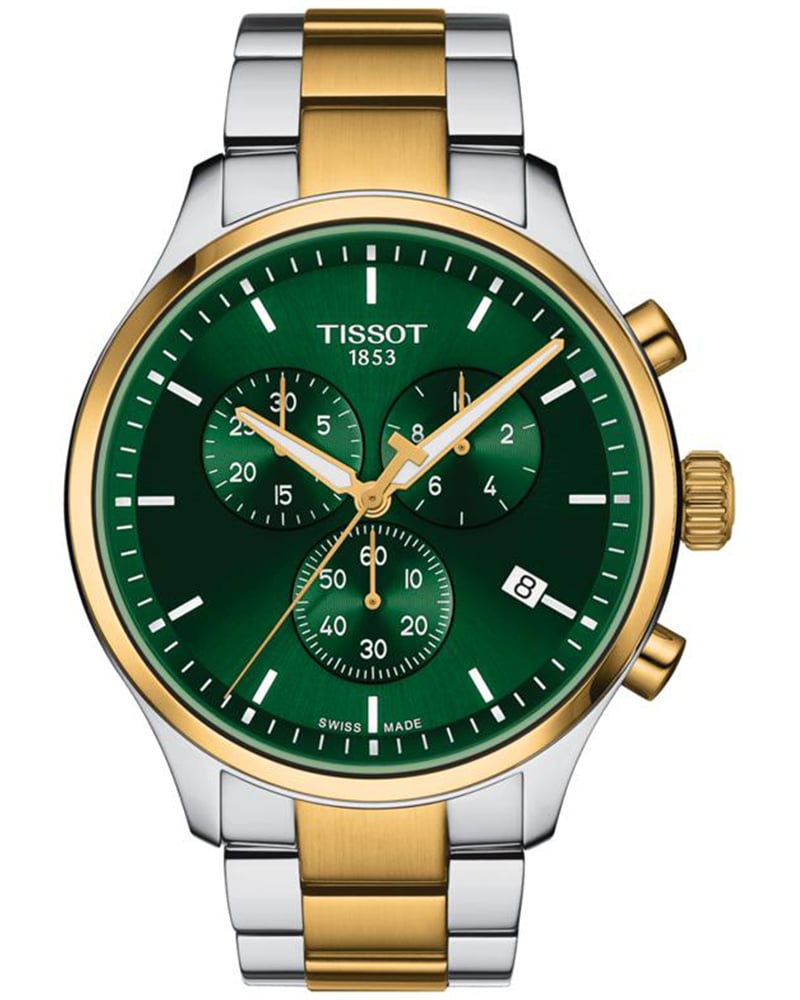
Tissot Chrono XL Men

(SKU | T1166172209100 )

  • Powered by a Swiss quartz chronograph movement, offering high precision and low maintenance.
  • Large 45 mm case enhances legibility, especially for the chronograph subdials.
  • Central chronograph seconds hand with subdials for elapsed minutes and small seconds.
  • Delivers excellent real-world accuracy (typically ±10–15 seconds per month).
  • Ideal for everyday wear and sports timing, prioritising reliability over mechanical complexity.
  • Tachymeter scale adds a motorsport-inspired design element with practical timing potential.

Best for: Users seeking bold design, dependable performance, and hassle-free ownership.

View Product

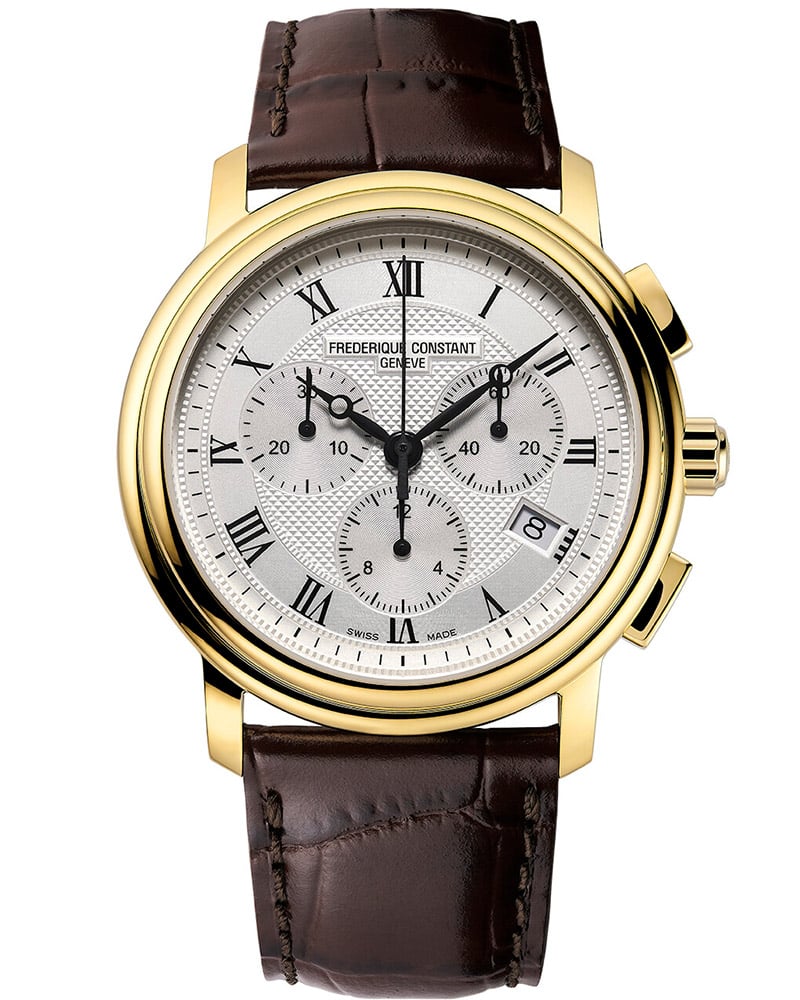
Frederique Constant Mens Classic Chronograph Quartz

(SKU | FC-292MC4P5)

  • Driven by a Swiss quartz chronograph calibre, combining precision with elegant presentation.
  • Traditional multi-subdial layout offers clean readability and classic proportions.
  • Quartz movement ensures consistent timekeeping accuracy with minimal deviation.
  • Slimmer case profile compared to mechanical chronographs, enhancing dress-watch versatility.
  • Chronograph pushers provide crisp activation without mechanical resistance.

Best for: Those who want chronograph functionality in a refined, classic aesthetic with everyday accuracy.

View Product

Baume & Mercier Riviera Automatic Chronograph - Mechanical

(SKU | bmm0a10829)

  • Equipped with a Swiss automatic mechanical chronograph movement.
  • Features a smooth sweeping chronograph seconds hand, reflecting mechanical operation.
  • Integrated chronograph architecture showcases traditional watchmaking complexity.
  • Performance is influenced by wearing habits and chronograph usage, typical of mechanical calibres.
  • Higher servicing requirements but offers long-term horological value.
  • Sport-luxury Riviera design balances robustness with refined finishing.

Best for: Enthusiasts who value mechanical craftsmanship and emotional engagement over absolute precision.

View Product

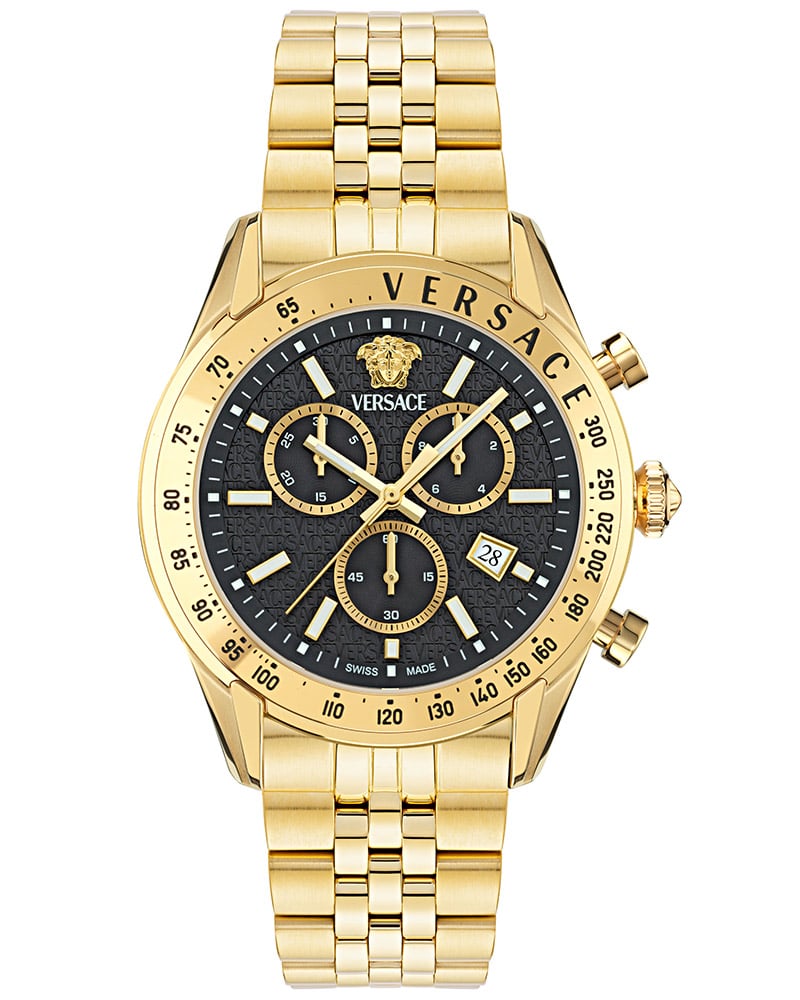
Versace Chrono Master Men

(SKU | VE8R00624)

  • Powered by a quartz chronograph movement focused on accuracy and ease of use.
  • Multi-hand chronograph layout with bold, fashion-forward dial design.
  • Delivers dependable timekeeping with minimal upkeep.
  • Chronograph functionality is straightforward and practical for casual timing.
  • Emphasis placed on visual impact and brand identity rather than technical complexity.

Best for: Style-driven wearers who want chronograph functionality paired with strong design language.

View Product

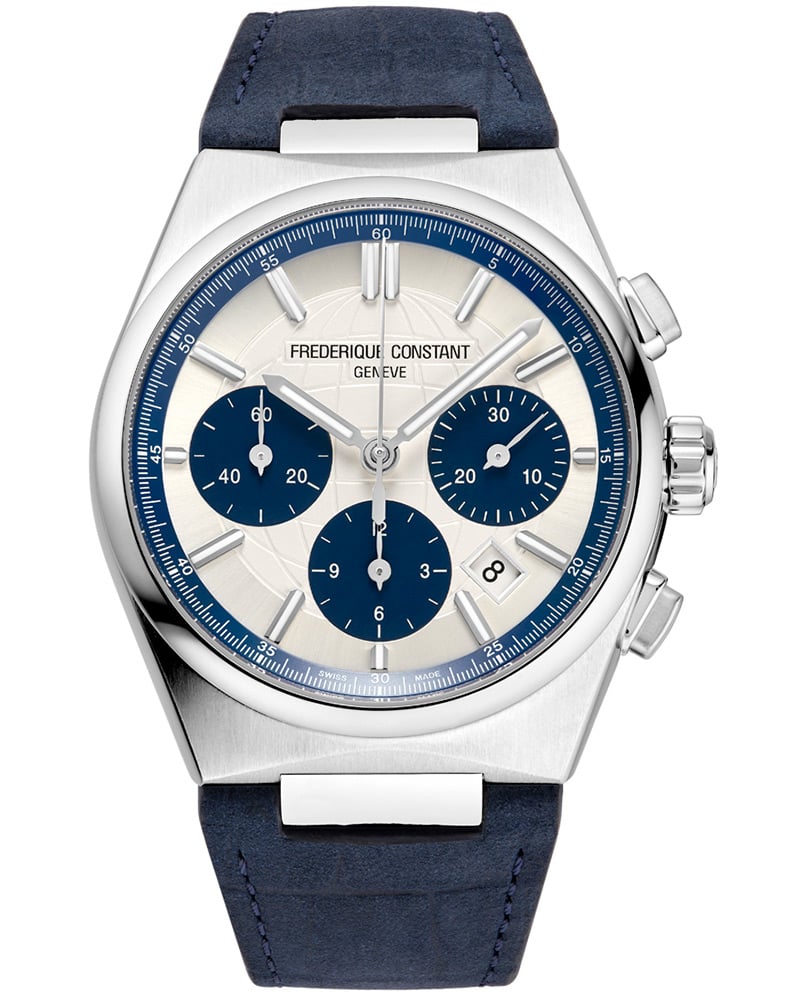
Frederique Constant Highlife Chronograph Automatic

(SKU | FC-391WN4NH6)

  • Houses an in-house Swiss automatic chronograph calibre.
  • Mechanical chronograph offers smooth operation and sweeping seconds.
  • Integrated bracelet design enhances modern sport-luxury appeal.
  • Column-wheel architecture (where applicable) ensures refined pusher feel.
  • Accuracy varies within mechanical tolerances, but performance is consistent when worn regularly.
  • Represents Frederique Constant’s move towards accessible high watchmaking.

Best for: Collectors seeking modern mechanical chronograph performance with in-house credibility.

View Product

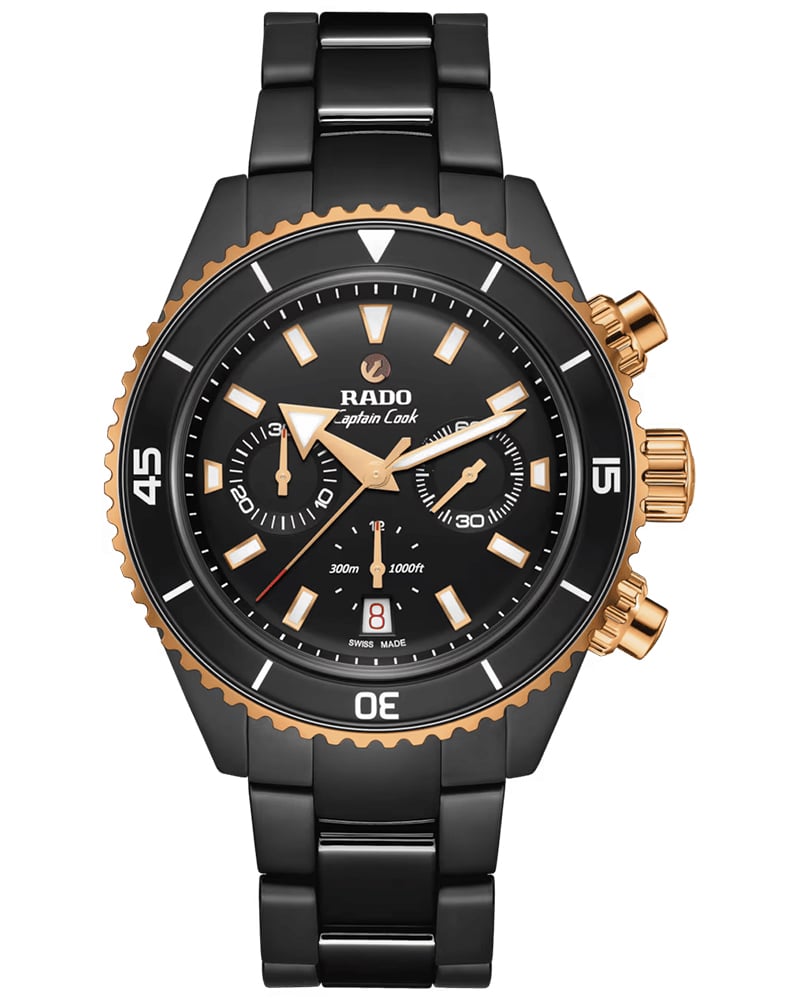
Rado Captain Cook

(SKU | R32190153)

  • Houses the Calibre R801, a self-winding chronograph movement developed for uncompromising reliability. 
  • Measures elapsed time via central seconds, 30-minute and 12-hour sub-counters.
  • Features a Nivachron™ hairspring, improving stability and resistance to magnetic fields.
  • Monobloc high-tech ceramic case, scratch-resistant and lightweight. 
  • Offers 300m water resistance – robust enough for diving and water sports.

Best for: Collectors looking for versatility and advanced materials with a tool-watch aesthetic, suited to everyday wear, adventure, and sports timing

View Product

Choosing the Right Chronograph

There is no universally “best” chronograph — only the one best suited to its wearer. Mechanical chronographs appeal to purists and collectors, quartz chronographs to pragmatists, and meca-quartz to those seeking balance.

By understanding the types of chronographs and the performance differences between them, enthusiasts move beyond aesthetics into appreciation of function, engineering, and intent, where the chronograph truly comes alive.


FAQs

A chronograph is a watch that combines standard timekeeping with a built-in stopwatch function to measure elapsed time.

A chronograph uses pushers (usually on the side of the case) to: start timing, stop timing, and reset the hands back to zero. The main chronograph hand typically measures seconds, while smaller subdials track minutes and sometimes hours.

A normal watch only tells the time. A chronograph can time events, such as laps, travel duration, workouts, or cooking intervals, without stopping the main time display.

The common features of a chronograph are: Tachymeter: calculates speed over a known distance; pushers: to start, stop, and reset the chronograph; flyback: allows instant reset and restart while running; and multi-hand layout: subdials for elapsed minutes and hours.

Scratch That—You Can’t: The Unbreakable Allure of Rado Watches
Victorinox Watches for Women: Perfect for the Adventurer