
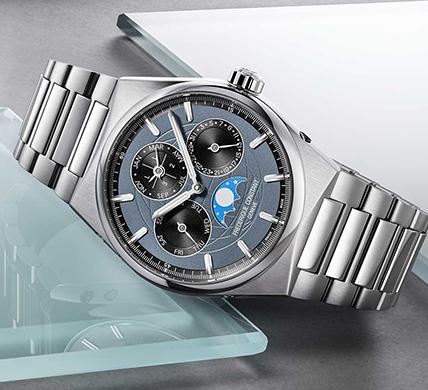
This complete guide will highlight the elegance hidden within these stunning timepieces designed for both men and women. Whether you're a seasoned collector or someone new to the realm of luxury watches, understanding the artistry and craftsmanship of Frederique Constant will elevate your appreciation.In this post, we'll cover the unique features, styles, and benefits of these exquisite watches available at Helios Watch Store. Join us as we journey through elegance under the stars in 2025, ensuring you find the perfect match for your wrist!

This style guide will help you discover the best wardrobe essentials that every man needs to enhance his look. We’ll explore must-have pieces, including Frederique Constant watches for men, that blend sophistication and style. Get ready to transform your outfits and make a lasting impression by mastering the art of dressing well. Let’s dive into the key elements of a standout wardrobe that represents your unique style!
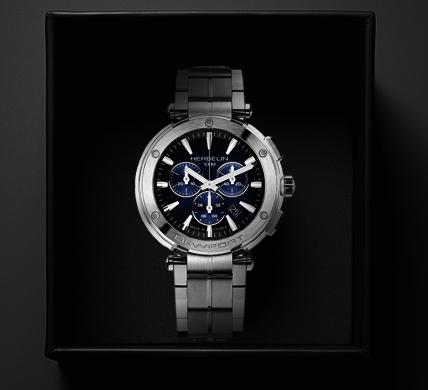
When it comes to luxury watches, few brands capture refinement, prestige, and sophistication like Herbelin. Known for their craftsmanship, mechanical movements, stainless steel artistry, and timeless elegance, these timepieces stand as an enduring combination of French style and precision, embodying intricate details .This matters because choosing the right watch means embracing not just an accessory but a piece of history and luxury design. In this guide, we’ll explore the brand’s heritage, collections, and unique details that make every Herbelin watch an object of desire, encapsulating the french touch why herbelin watches for men are a mark of prestige .
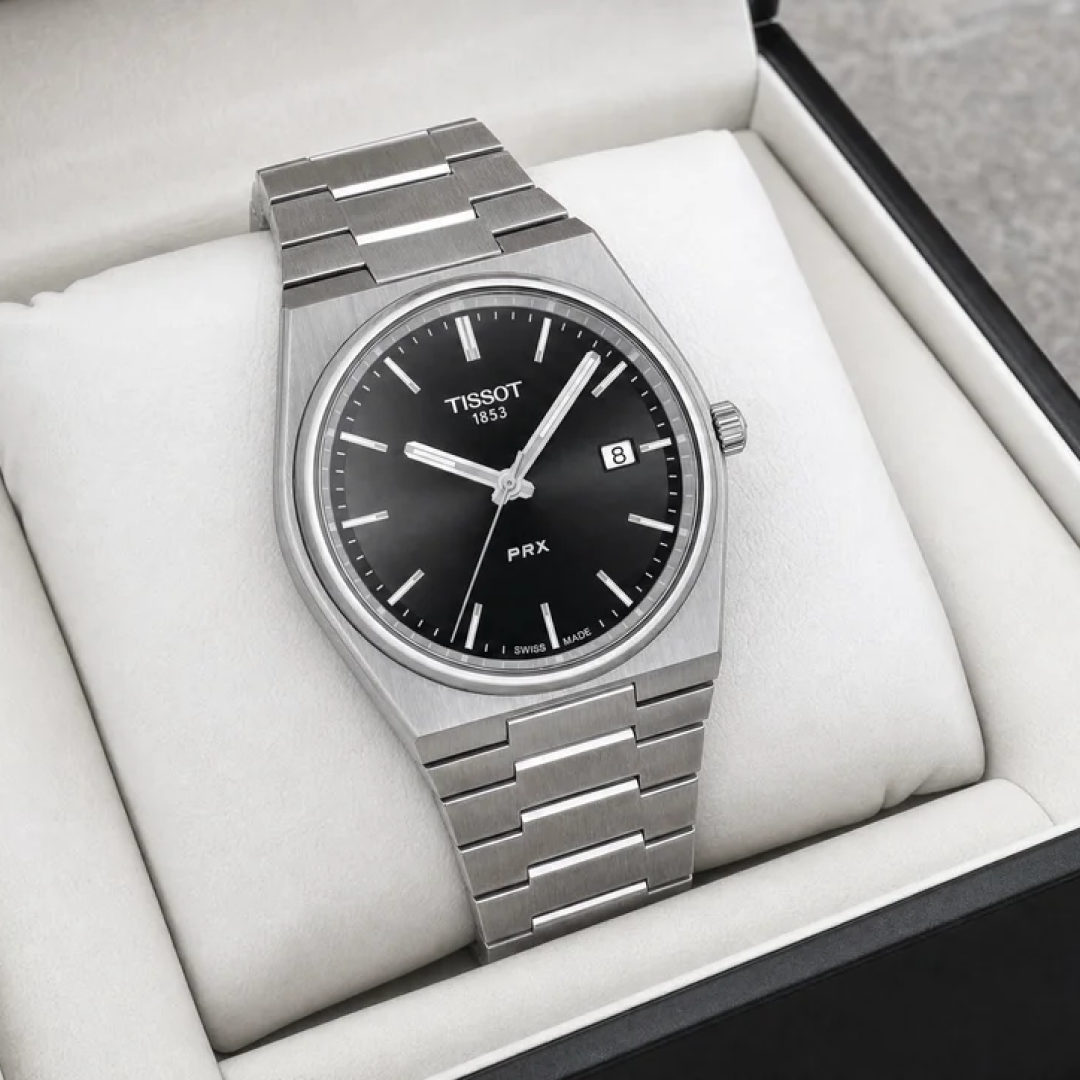
Few names capture the evolution of Swiss watches quite like Tissot. With a watchmaking heritage dating back to 1853, the brand has consistently balanced tradition, Swiss precision, and contemporary design. Today, Tissot Watches range from understated everyday pieces to sport-inspired chronographs and modern statement models.
That variety is part of what makes Tissot appealing to modern watch enthusiasts. Collections such as PRX, Everytime, Classic Contemporary, and PR 516 each approach Swiss watchmaking differently, giving men and women a broad selection across personal style, lifestyle, and occasion.
Whether you prefer a clean everyday timepiece, an elegant women’s watch or one of the brand’s sportier men’s watches, Tissot offers a collection built around craftsmanship, reliability, and timeless elegance.
The return of King Seiko watches marks one of the most refined revivals in modern watchmaking. First introduced by the legendary Japanese watchmaker Seiko in Tokyo, Japan, the King Seiko name quickly became a symbol of precision, sharp design, and high accuracy mechanical excellence.
Today, King Seiko watches for men bring that same philosophy back to the wrist, blending vintage inspiration with modern performance. For watch enthusiasts and collectors, this revival is not just about nostalgia, but about rediscovering a design language that defined an era.
The chronograph is arguably the most versatile complication in watchmaking. Born of a need to measure elapsed time — whether for horse races, aviation, motorsport, or scientific observation — it has evolved into a defining symbol of mechanical prowess and everyday utility. Yet not all chronographs are created equal. Beneath the familiar pushers and subdials lie fundamentally different technologies, architectures, and performance characteristics.
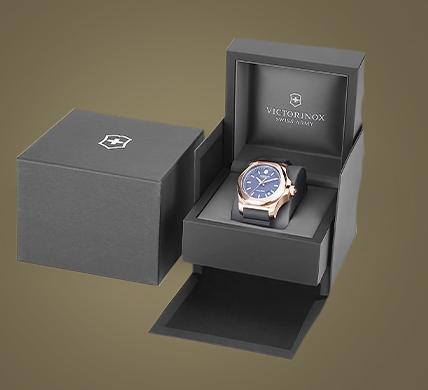
Victorinox watches for women perfectly blend adventure-ready durability with urban sophistication. As a company with a rich heritage and a strong presence in the world of watchmaking, Victorinox is renowned for its commitment to quality and innovation. At Helios Watch Store, we know women need timepieces that adapt to both city life and outdoor exploration. From quartz movement precision to water-resistant cases built for extreme conditions, Victorinox delivers functional yet stylish wristwatches. In this blog, we’ll explore the Victorinox women's watch collection, highlighting the best Victorinox watches for women in 2025, their unique features, and why they remain a great watch choice for modern lifestyles.
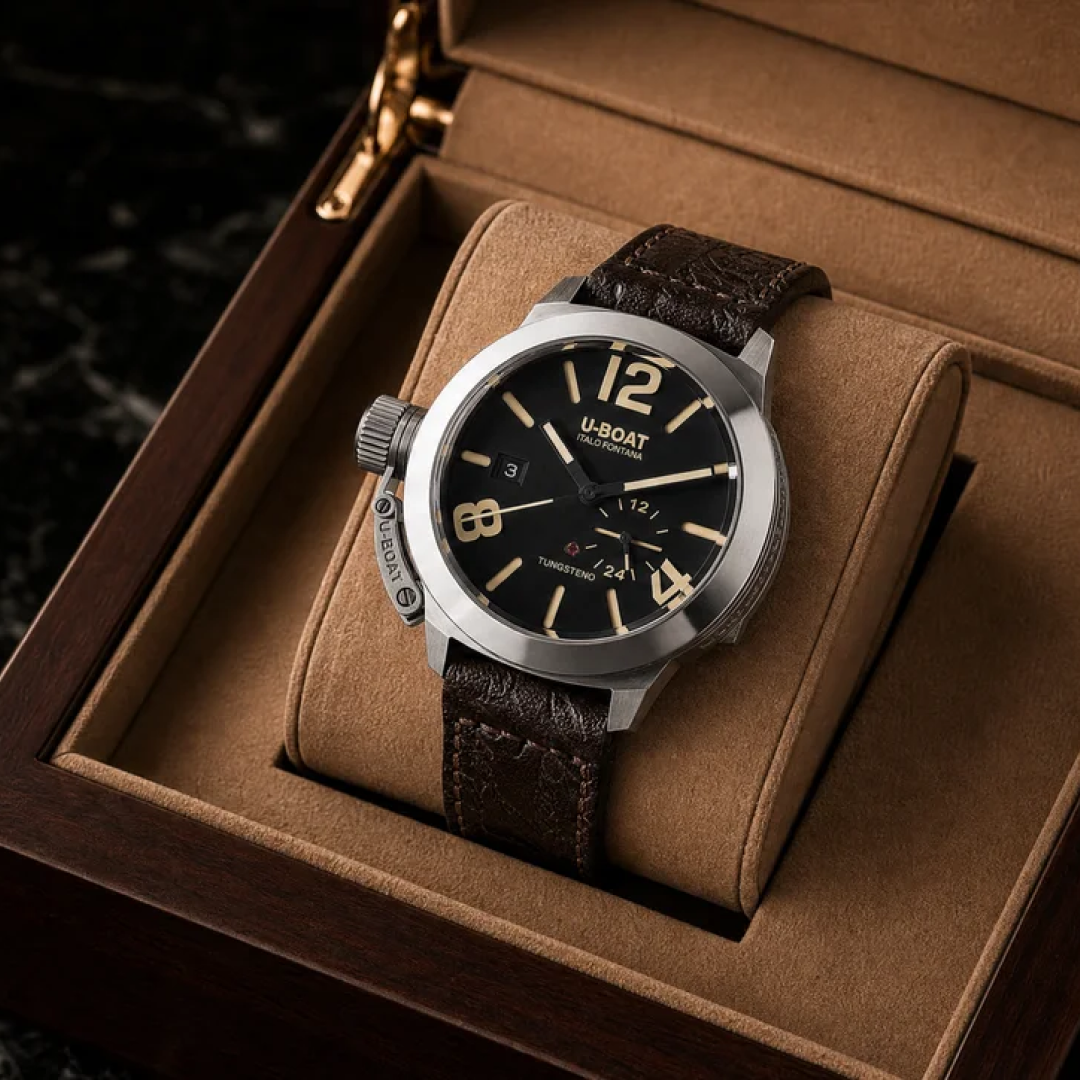
Oversized watches have become an important part of contemporary luxury, offering stronger proportions, bold case architecture, and a more commanding presence on the wrist. Few brands embrace this direction as confidently as U-BOAT watches.
The U-BOAT brand is recognised for robust construction, oversized cases, prominent crowns, dark finishes, and a design language rooted in Italian creativity. Rather than following the restrained codes often associated with traditional Swiss watches, U-BOAT creates timepieces that feel expressive, mechanical, and unmistakably individual.
For enthusiasts who prefer luxury watches with scale, character, and a strong visual identity, the U-BOAT range offers a distinctive alternative.
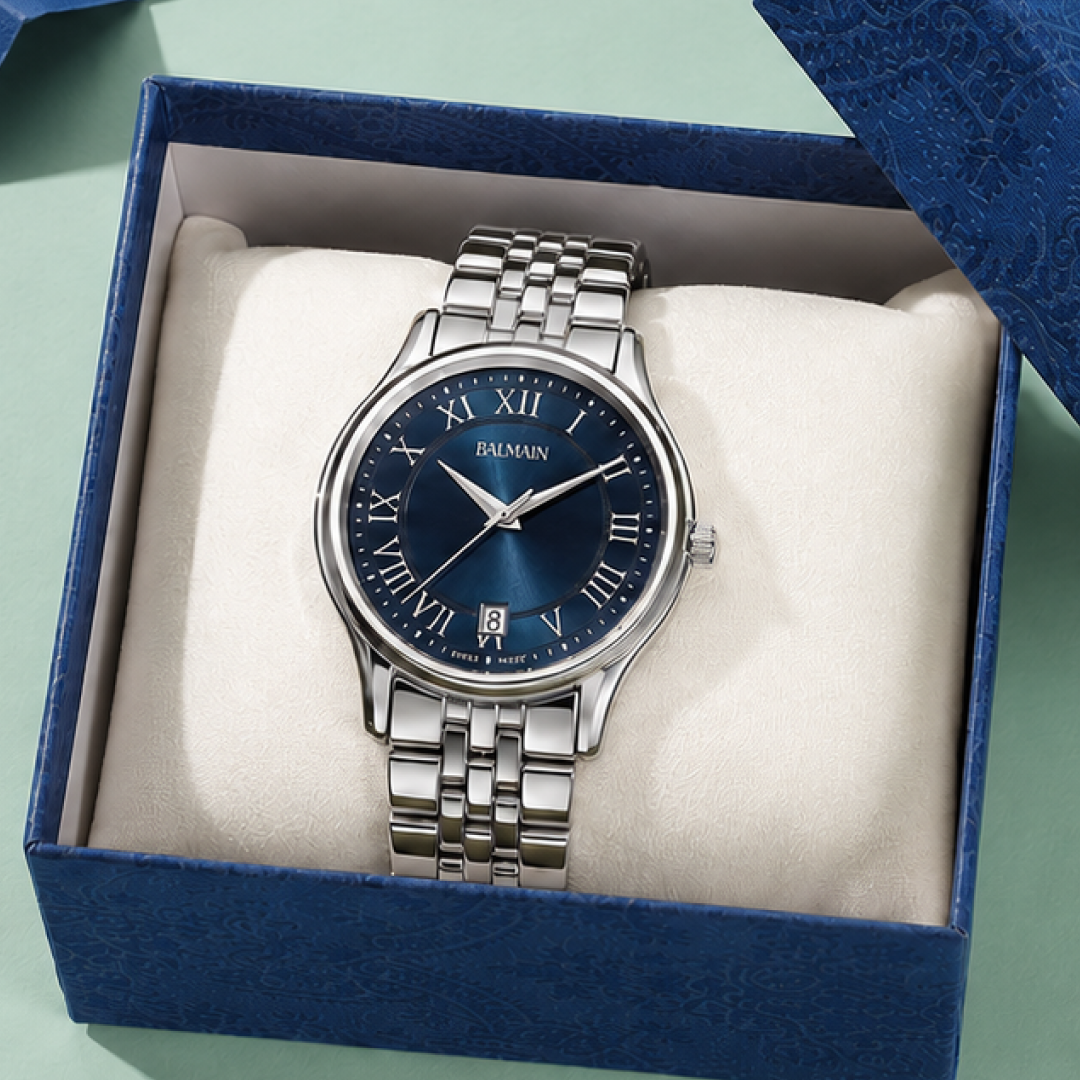
Luxury in 2026 feels more refined, expressive, and personal. Instead of choosing watches that rely on obvious excess, buyers are turning towards pieces defined by proportion, detail, and quiet confidence. Balmain Watches fit naturally into this shift: they are fashion-led Swiss-made timepieces that pair Parisian elegance with dependable watchmaking.
For luxury watch buyers and style-conscious readers who want a watch that feels polished, versatile, and easy to wear, Balmain offers a distinct middle ground between statement fashion and traditional Swiss precision. Inspired by Parisian fashion and supported by Swiss watchmaking, the brand creates timepieces that bring elegance to the wrist without appearing overly formal. This guide looks at the brand’s design identity, Swiss manufacturing background, standout collections and models, pricing, and what to consider before buying, useful if you want a luxury watch that works for both everyday wear and more dressed-up occasions.
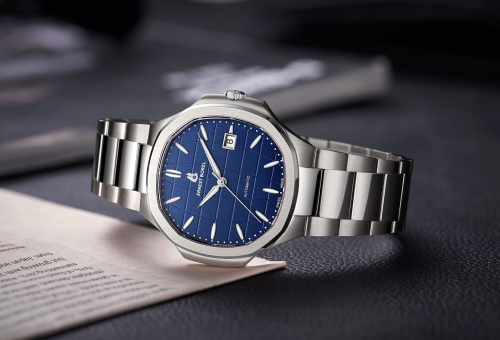
Are you a fan of Ernest Borel watches and wondering which models are making a splash in 2025? In this guide, we’ll explore the top most popular pieces from the Classic Romance Collection, featuring styles for both men and women, including the stunning Ernest Borel vintage ladies watch. At Helios Watch Store, we recognize the significance of finding the perfect timepiece that blends elegance and tradition. Join us as we highlight each model's unique charm, helping you make an informed choice for your next watch investment. Let's dive into the world of timeless elegance!


