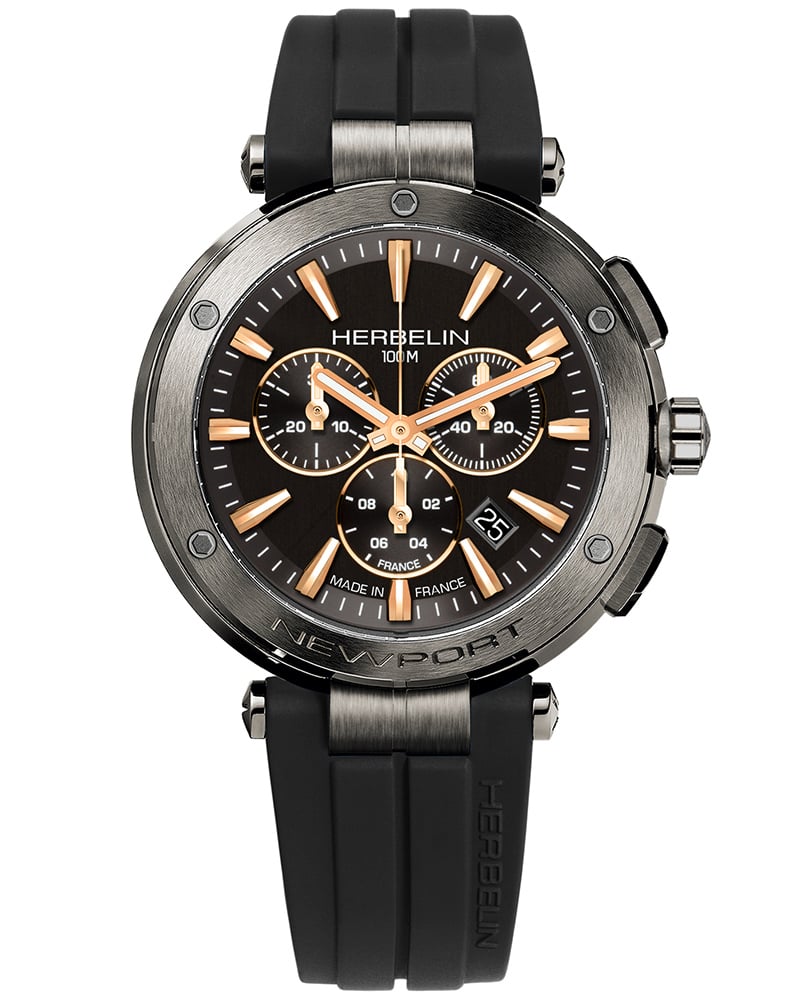
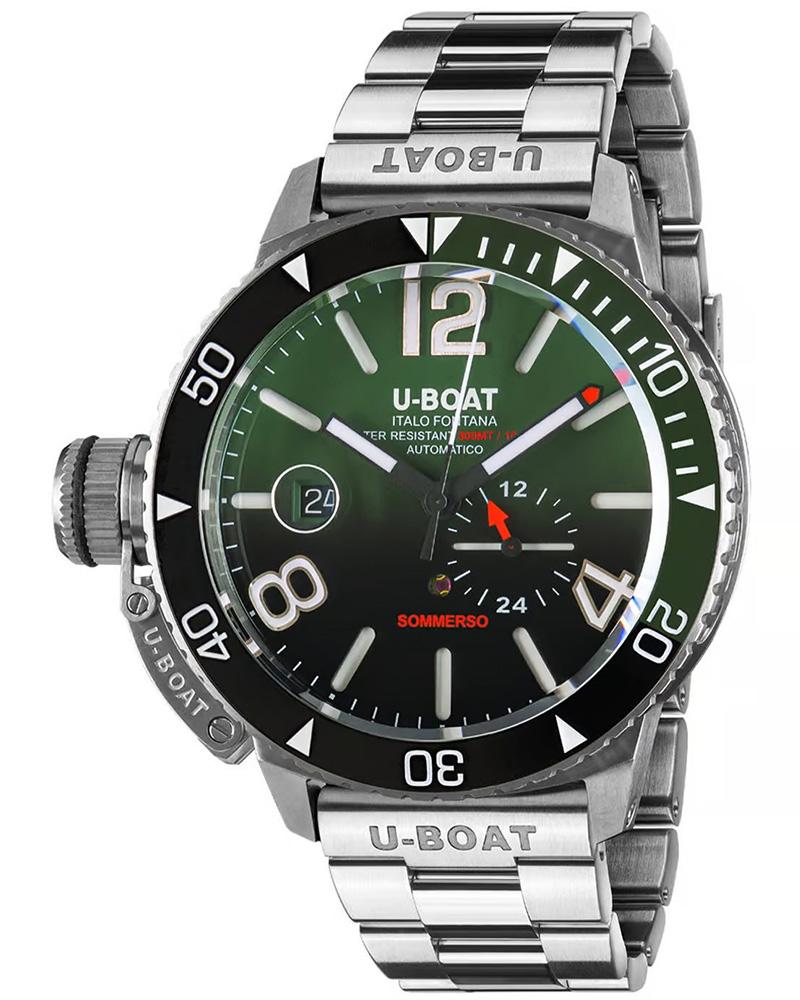
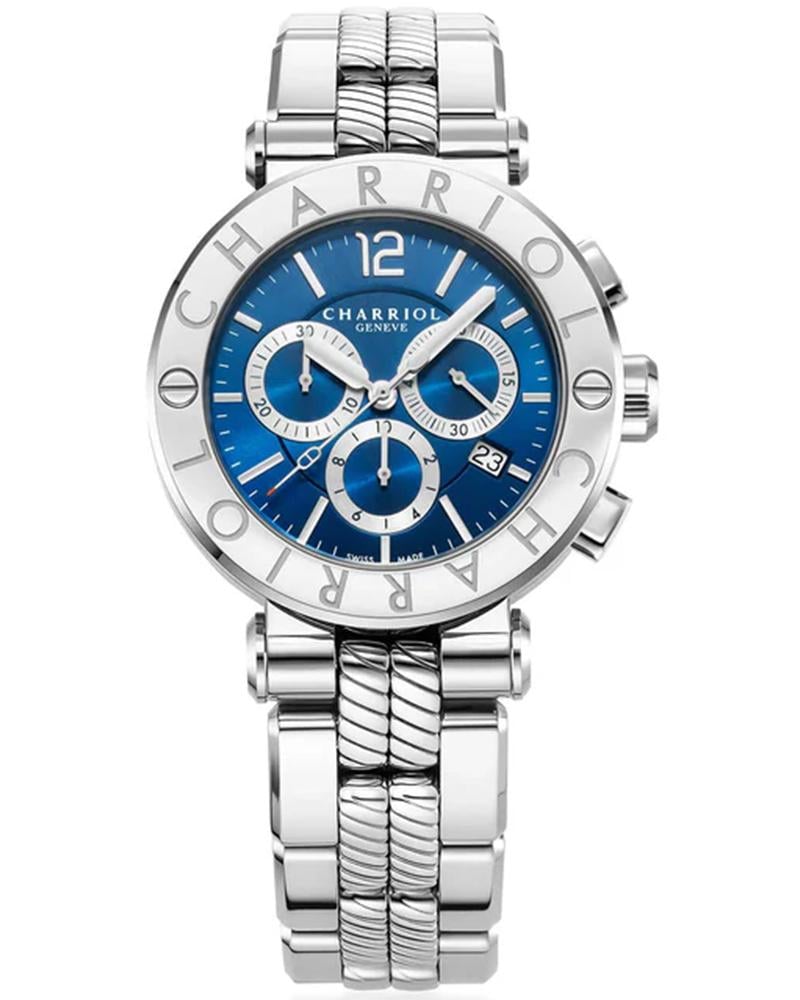
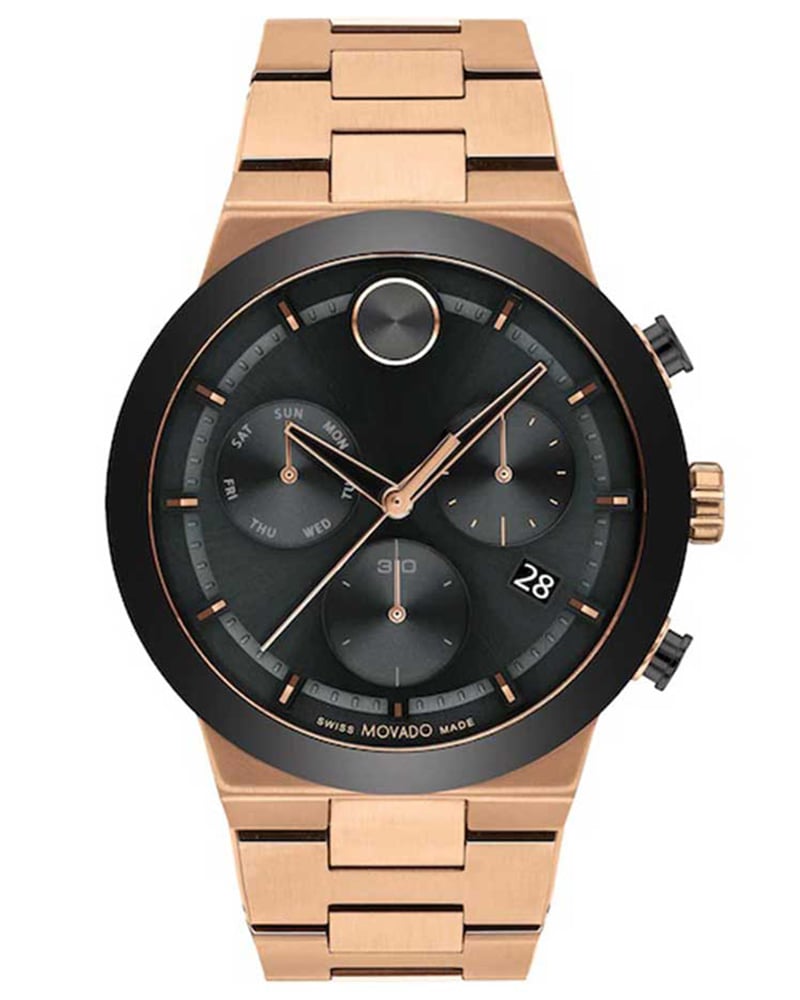
Depth and Distinction: Dive Watches that Exemplify Versatility
The dive watch was born out of necessity long before it became a design icon. In the mid-20th century, as military frogmen and early recreational divers pushed the limits of underwater exploration, watchmakers were challenged to engineer instruments that could withstand pressure, resist corrosion, and remain legible in the murkiest depths. What emerged was a tool conceived for survival that has since become one of the most recognisable forms of wristwear.
At its core, the purpose is simple: to measure elapsed time underwater with uncompromising clarity. A screw-down crown and reinforced gaskets create a watertight seal. A unidirectional rotating bezel, often graduated to sixty minutes, allows the wearer to track oxygen supply without the risk of accidental miscalculation. Generous lume on hands and markers ensures visibility in the dark pressure of the ocean. ISO 6425 certification demands resistance to at least 100 metres of depth, though most contemporary models far exceed that, pairing rugged utility with refined casework in steel, titanium, or ceramic.
What makes the category enduring is the way form and engineering converge. The bold proportions, the tactile feedback of a bezel click, the quiet reassurance of a movement tested against pressure and salt — these are details that have transcended their practical origins. The dive watch is as integral to professional divers as it is to enthusiasts who may never take theirs past the occasional swim. It remains, quite simply, one of the most definitive expressions of modern watch design.