Discover the hidden jewels that reduce friction and extend a watch’s life

Discover the hidden jewels that reduce friction and extend a watch’s life

Ever noticed those tiny pink dots glinting inside a watch’s caseback? They’re not decorative accents but some of the most powerful yet overlooked components in horology: the watch jewels. In essence, these jewels are ultra-smooth, precisely cut gemstones with a microscopic hole at their center. Through this opening, the metal pin or axle of various watch gears rotates, reducing friction and allowing the movement to run with remarkable precision. Found in premium automatic and hand-wound movements, these ultra-hard jewels make the rotations easier to keep a watch running flawlessly.
Why Do Watches Need Jewels at All?

These jewels are not decorative but deeply functional, industrial-grade instruments which reduce friction, maintain positional stability, hold lubricants in micro-cups designed to retain oil, and ultimately safeguard the long-term accuracy of the watch. Without them, the delicate choreography of gears, levers, and wheels inside a movement simply wouldn’t endure the test of time.

To understand their role, imagine the inside of a mechanical watch: a dense architecture of gears, axles, wheels, and levers, all in constant motion. Whether powered manually or automatically by wrist movement, these parts must move with extreme precision. Some components rotate at incredible speeds — the escape wheel, for instance, can spin over 100 times per minute. Metal parts rubbing against metal under such force would wear down quickly, much like a bracelet clasp getting scratched with daily use. And when components wear down?

The watch begins losing accuracy: a disaster for any collector who values precision. This is where jewels come in.

The Function of Jewels

Reducing Friction: Watch jewels act as bearings, each with a precisely drilled hole through which the pivot of a wheel runs. Made from ultra-hard, ultra-smooth synthetic rubies or sapphires, they dramatically reduce friction inside the movement. The result is smoother operation, less wear, improved accuracy, and a longer lifespan for the watch.

Holding and Retaining Lubrication: Jewels are designed with tiny oil-retaining pockets. Inside a movement, lubrication is everything — without it, gears grind, pivots score, and metal dust builds up, slowly choking the mechanism. A jewel’s cup-like shape holds microscopic droplets of oil exactly where they’re needed, ensuring the watch runs seamlessly.

Enabling Complex Complications: The more functions a watch has — date windows, day indicators, moonphases, chronographs, perpetual calendars, the more moving parts it must coordinate. More moving parts mean more bearings, hence more jewels. This is why a simple three-hand dress watch may have 17 jewels, while a chronograph or perpetual calendar may boast 25, 31, or more.

Tracing The Evolution Of Jewels

Early watches used metal-on-metal contact for pivots and gear trains. As these components spun thousands of times a day, they wore down quickly, causing loss of accuracy and frequent repairs. To overcome this friction, Swiss mathematician Nicolas Fatio de Duillier pioneered the use of hard gemstones as bearing surfaces, an innovation that transformed the stability of early movements. Back then, watchmakers relied on natural gemstones like diamond, sapphire, ruby, even garnet to create these tiny bearings. Especially rubies because of its exceptional hardness and smooth crystalline structure. But natural stones were inconsistent in purity, difficult to shape, and prone to microscopic imperfections that could cause cracking during manufacture.

But the craft shifted dramatically in 1902, when the process for producing synthetic sapphire and ruby (corundum) was invented. Suddenly, the precision of jewel bearings became far more accessible, no longer limited by the rarity or cost of natural stones. Today, nearly every jewelled bearing you see inside a mechanical watch is crafted from synthetic ruby or sapphire: materials engineered to be perfectly uniform, incredibly hard, and ideal for the relentless dance of gears that define modern horology.

This is why older watches proudly displayed the phrase “17 rubies” on the dial, whereas modern pieces say “17 jewels” — a nod to updated materials without losing historical language.


How Are They Made?

Modern synthetic jewels are produced through high-temperature crystal-growth processes and then laser-cut into exact geometries with tolerances measured in microns. Each jewel is shaped into a bearing with a precisely drilled hole at its center, forming the low-friction channel through which a wheel’s pivot rotates. The surfaces are polished to a mirror-smooth finish so that even components spinning over 100 times per minute experience minimal resistance. Their hardness, second only to diamond, ensures they do not deform under pressure, while their chemical stability prevents corrosion, oxidation, or oil absorption.


Jewel Counts: What Does the Number Actually Mean?

Flip a watch over, and you might see “17 jewels” or “25 jewels” engraved on the movement. This number simply indicates how many pivot points are being supported by jewels—not how “luxurious” the movement is. A higher jewel count doesn’t automatically mean a better watch; it reflects the complexity of the mechanism.

17 jewels → Standard hand-wound or automatic movement

21–25 jewels → Automatic with added functions

30+ jewels → Complications like chronographs and perpetual calendars


Watches With Diverse Jewel Counts

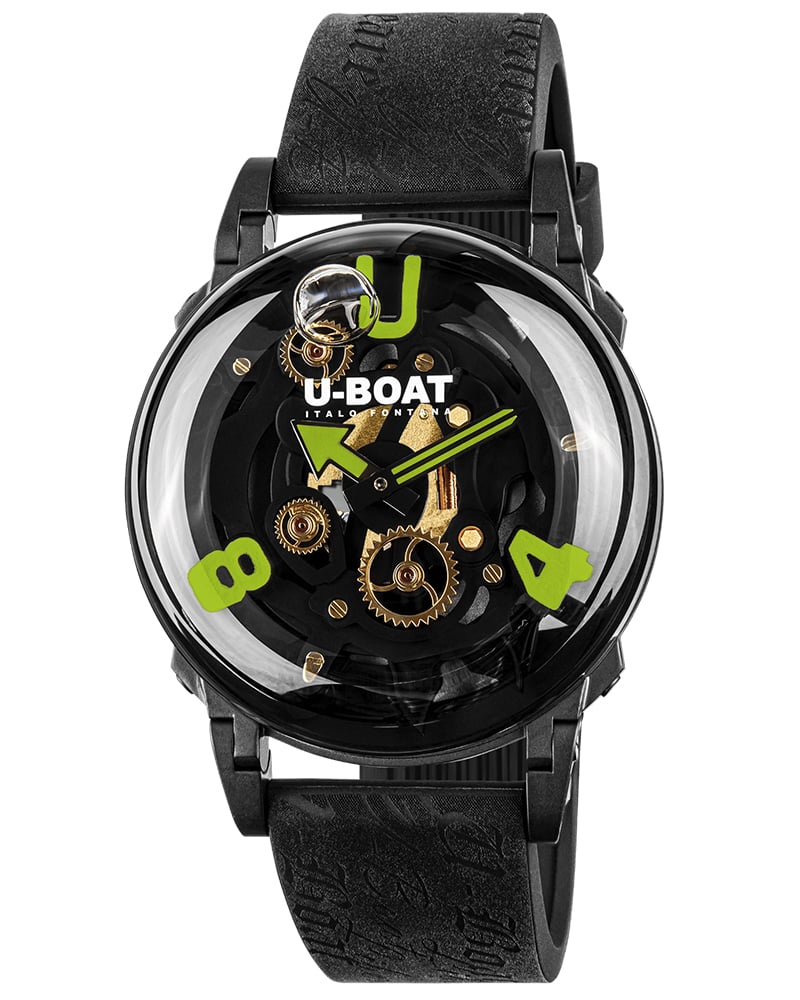
U Boat Unisex | U-65

(SKU | 3351)

  • Powered by a Swiss Ronda 756 quartz movement with 21 jewels which help reduce friction in the skeletonised mechanism.
  • A bold 44 mm case paired with a hyper-domed sapphire crystal creates striking visual depth on the wrist.
  • The multi-layered skeleton dial reveals the watch’s mechanical artistry, amplified by U-Boat’s signature oil-filled construction.
  • Movable lugs and a supple silicone strap ensure a secure, ultra-comfortable fit across wrist sizes.
  • Super-LumiNova accents on the hands and markers offer standout legibility in low-light conditions.
  • Designed with 5 ATM water resistance, blending bold Italian creativity with everyday practicality.

View Product

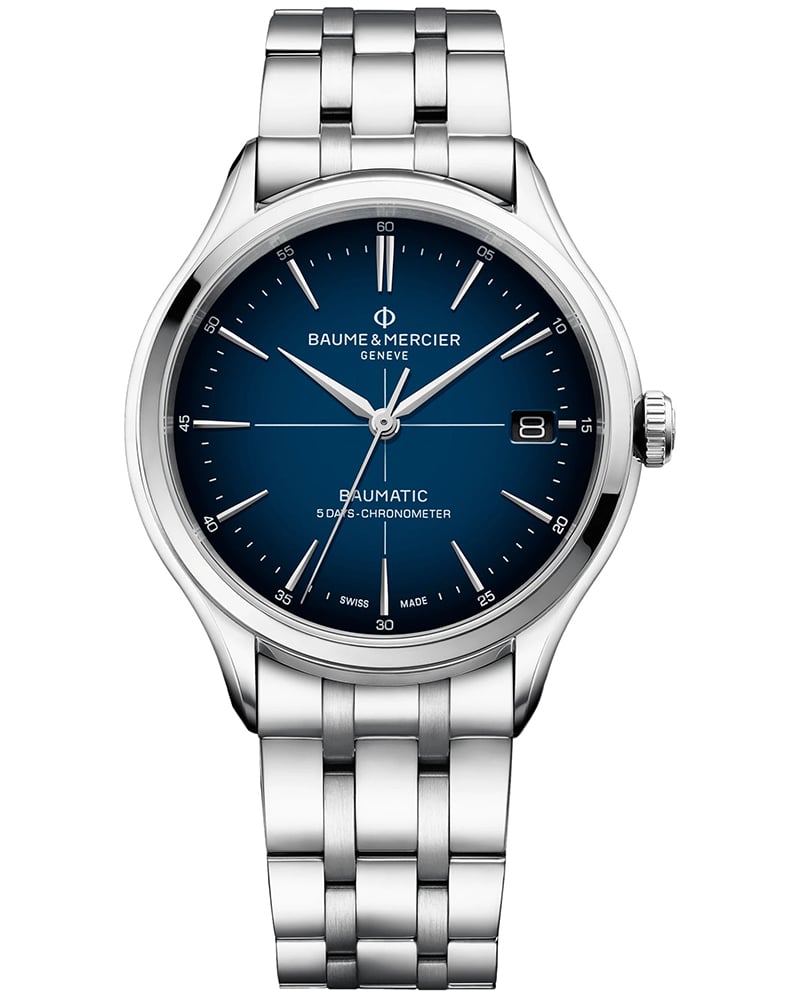
Baume Et Mercier Men Clifton Blue Analog Watch

(SKU | BMM0A10468)

  • Powered by the Baumatic automatic movement with 21 jewels, this timepiece is engineered to minimise friction across the gear train.
  • Jewelled bearings ensure smoother energy transfer and improved long-term precision.
  • Extended 5-day power reserve, supported by reduced wear within the movement.
  • Enhanced resistance to magnetism, increasing movement stability over time as compared to previous Clifton models.
  • Clean, legible dial with sleek hands and crosshairs that reflects mechanical efficiency beneath the surface.
  • Designed for everyday elegance that can be carried from boardrooms to casual evenings, with longevity at its core.

View Product

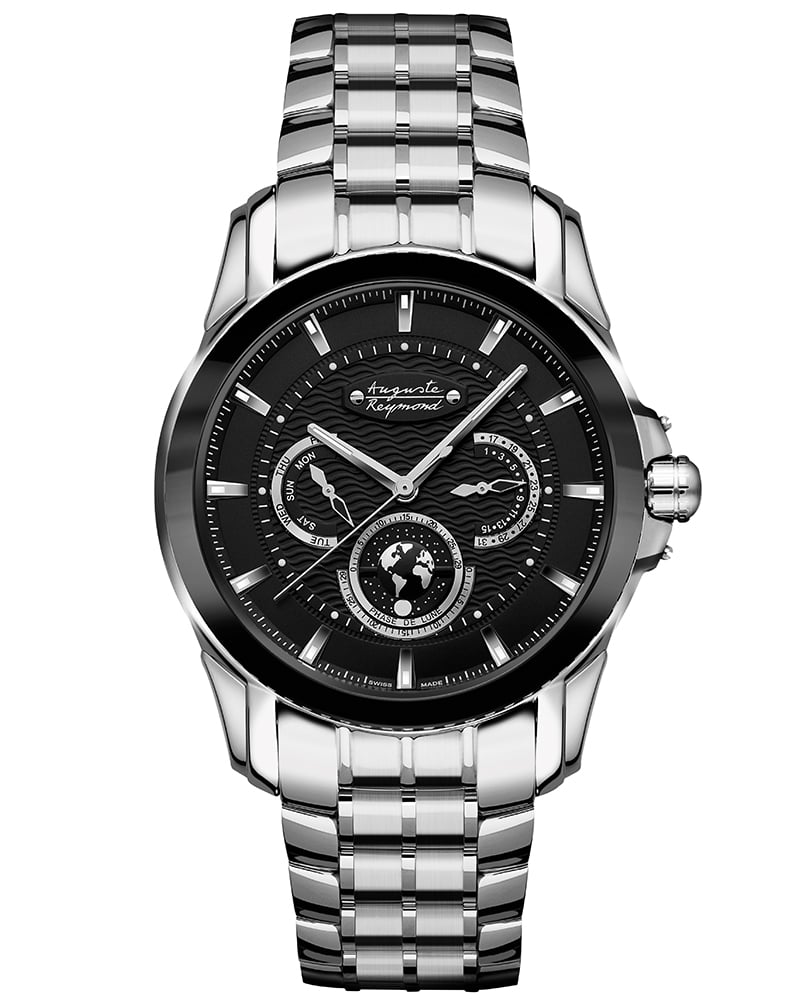
Auguste Reymond Men MAGELLAN - Day & Date Orbital Moon Black Analog Watch

(SKU | AR798262101)

  • Powered by a Swiss automatic movement featuring 25 jewels, strategically placed at high-friction contact points to ensure smoother operation and reduced mechanical wear over time.
  • These synthetic jewels act as long-lasting bearings, minimising metal-on-metal contact and helping the movement maintain accuracy through years of continuous use.
  • Built on a classical movement architecture, the Magellan reflects traditional Swiss watchmaking principles where durability and serviceability are prioritised over complexity.
  • The jewelled gear train supports consistent torque transmission, allowing the balance to oscillate steadily for reliable day-to-day timekeeping.
  • Finishing details within the movement, though restrained, underscore a commitment to functional refinement rather than visual excess.
  • Paired with a clean, legible dial, the Magellan presents a watch where mechanical integrity and longevity quietly define its character.

View Product

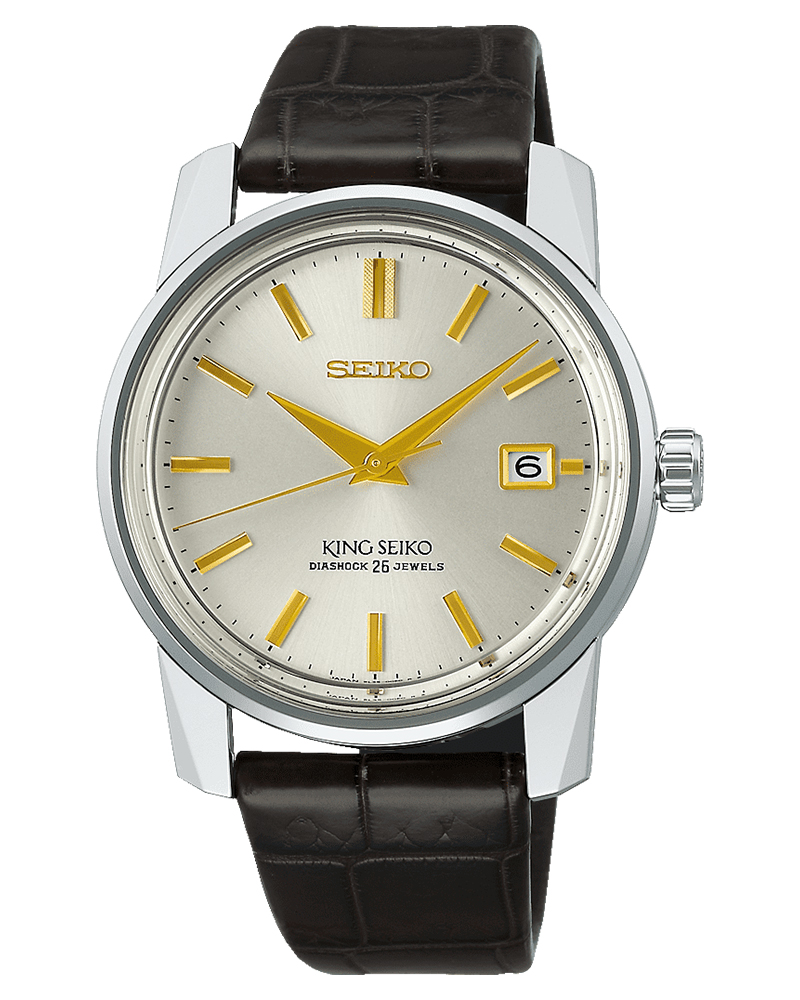
King Seiko Men | KING SEIKO

(SKU | SJE087J1)

  • Powered by the refined Calibre 6L35 with 26 jewels for ultra-smooth, high-precision performance.
  • Features a 38.1 mm stainless-steel case with Zaratsu-polished facets for razor-sharp brilliance.
  • Box-shaped sapphire crystal with anti-reflective coating enhances clarity and vintage elegance.
  • Clean silver dial with faceted indices and hands for a sleek, mid-century aesthetic.
  • Offers a 45-hour power reserve and 5-bar water resistance for everyday versatility.
  • A modern re-creation of the 1965 King Seiko “KSK” — merging heritage design with contemporary craftsmanship.

View Product

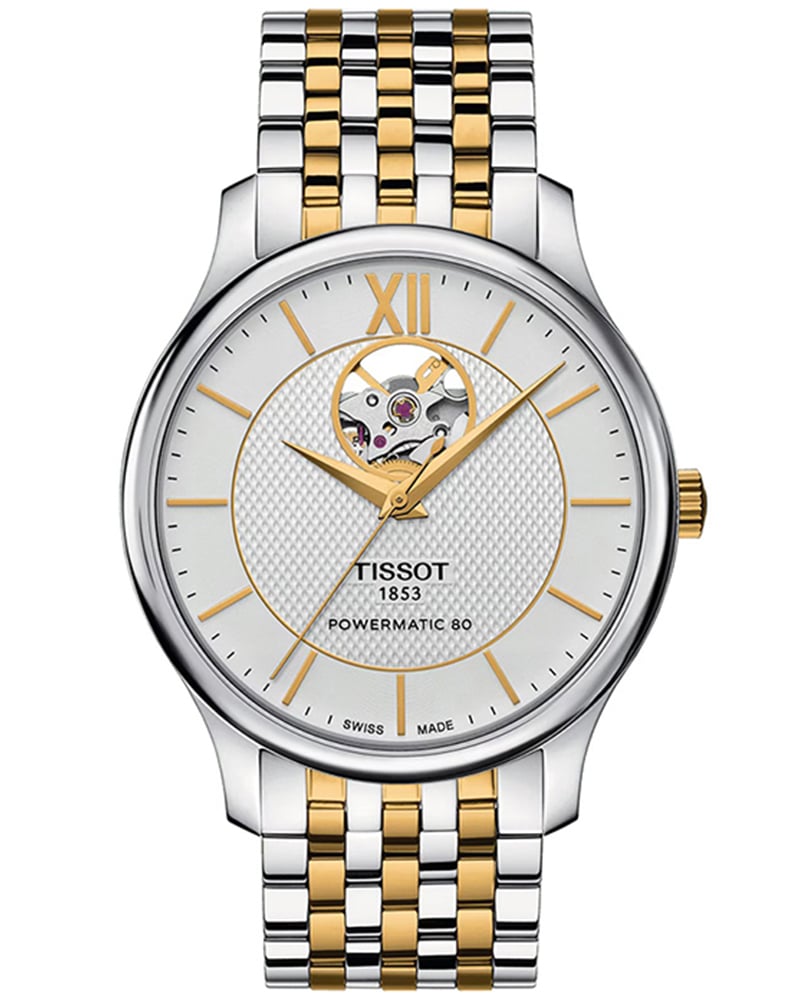
Tissot Men | TRADITION POWERMATIC

(SKU | T0639072203800)

  • Powered by the Powermatic 80 automatic calibre with 25 jewels, ensuring exceptionally smooth gear movement and long-term precision.
  • Offers a remarkable 80-hour power reserve, keeping perfect time even when left unworn for days.
  • Protected by scratch-resistant sapphire crystal, giving the dial lasting clarity and durability.
  • The polished stainless-steel case delivers a timeless, refined silhouette suited to both business and casual settings.
  • An open-heart window reveals the beating movement beneath, celebrating the artistry of Swiss mechanics.
  • A seamless blend of traditional design and modern engineering, crafted for men who appreciate understated elegance and technical excellence.

View Product

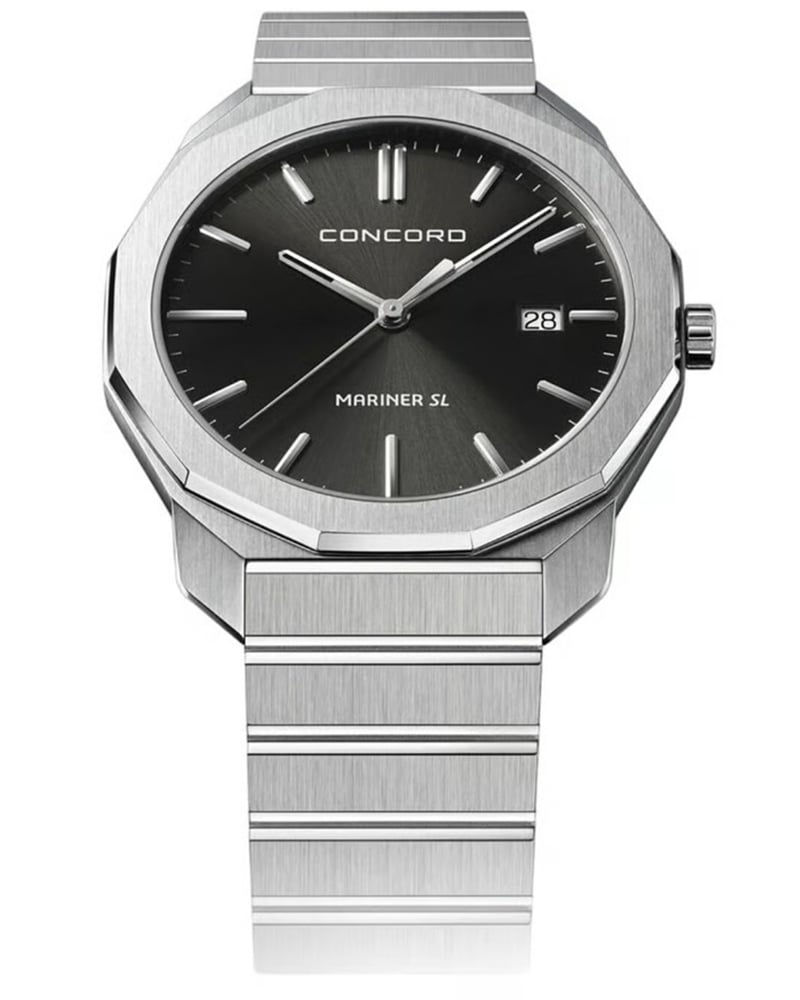
Concord Men | MARINER

(SKU | 320472)

  • With a quartz movement, the Mariner uses typically 3 jewels, enough to power precise timekeeping with reliability and little maintenance.
  • A 40 mm stainless-steel case and classic proportions make the Mariner a versatile everyday companion — elegant enough for business and casual settings.
  • Its dial is protected by a sapphire crystal, ensuring long-term clarity and resistance to scratches.
  • The clean, analogue dial design with steel bracelet balances understated sophistication and functional durability.
  • Water resistance up to 50 metres (5 ATM) makes the watch practical for daily wear, offering resilience against splashes and rain.
  • A timeless expression of Swiss watchmaking heritage from a brand with over a century’s legacy — ideal for those who appreciate subtle elegance over flamboyance.

View Product

The Tiny Guardians of Time

These small, pink glints inside a movement may seem inconspicuous, but they are the silent custodians of horology—upholding accuracy, extending durability, and ensuring the smooth dance of gears that define mechanical watchmaking. Watch jewels may be microscopic, but without them, time simply wouldn’t run the same.


FAQs

Jewels minimise friction and wear in high-stress areas such as the gear train, escapement, and balance wheel pivots. This leads to smoother movement, better accuracy, and a longer lifespan for the watch.

Not necessarily. Jewel count should match the complexity of the movement—simple watches need fewer jewels, while complications require more. Excessively high jewel counts don't improve performance and can be purely decorative.

From Archive to Wrist: The Revival Story of King Seiko Watches
Iconic Concord Watch Collections Every Luxury Watch Lover Should Know