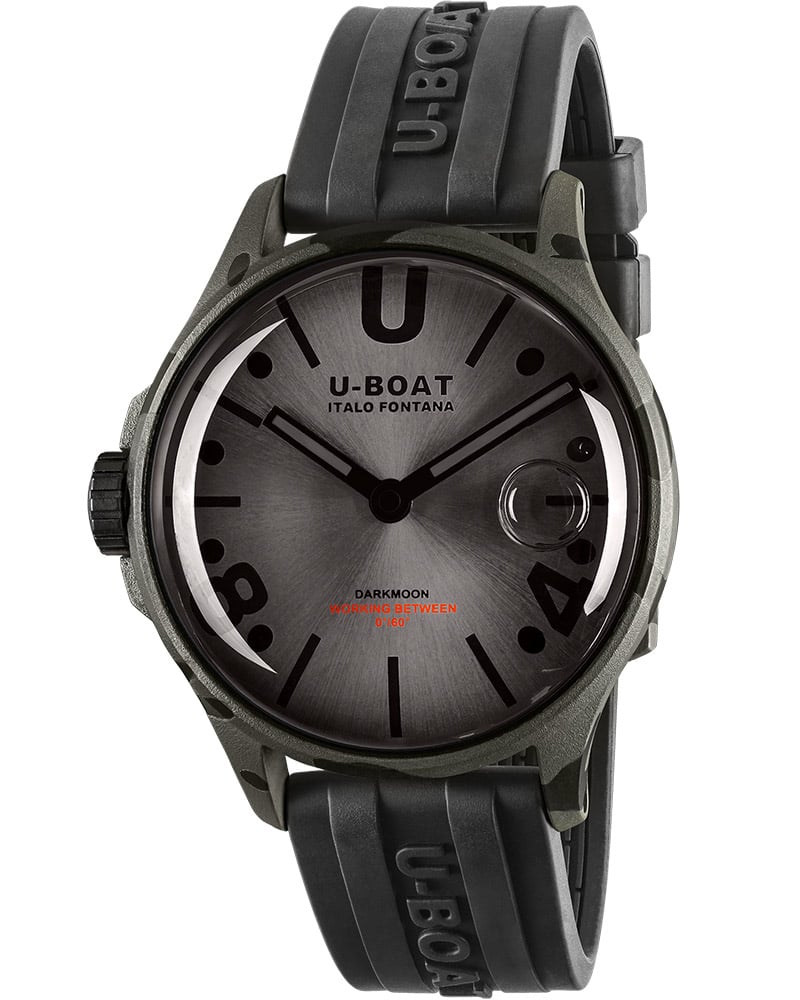
Rewriting Time: Material Innovation in Modern Horology
Swiss watchmaking is revered not only for its intricate movements — the mechanical hearts that animate each timepiece — but also for its mastery of materials. From cases to dials to bracelets, these elements transcend mere function or ornamentation; they shape a watch’s identity, influence its performance, and ensure its longevity. Over time, brands have embraced an ever-expanding palette of materials, blending artistry and engineering in pursuit of both beauty and utility.
In recent years, a wave of material innovation has transformed the landscape of modern watchmaking. For instance:
Lightweight carbon has revolutionised sports watchmaking with its exceptional strength-to-weight ratio, delivering superior comfort without sacrificing durability.
Ceramics, in contrast, offer a futuristic resilience: virtually scratchproof, colour-stable, and impervious to wear and tear.
Stainless steel remains a timeless staple, celebrated for its versatility and its ability to harmonise ruggedness with refinement.
Titanium, meanwhile, presents a feather-light, hypoallergenic alternative — now increasingly embraced across both utilitarian tool watches and the realm of haute horlogerie.
Dials offer another canvas for innovation, showcasing materials as diverse as mother-of-pearl, meteorite, enamel, and lacquer, each with its own narrative and visual language. Bracelets have evolved in parallel, moving beyond traditional steel links to embrace cables, rubber, and hybrid composites. In this way, materials shape not only the aesthetic and tactile experience of a watch, but also its position within the ever-expanding lexicon of Swiss horological craftsmanship.
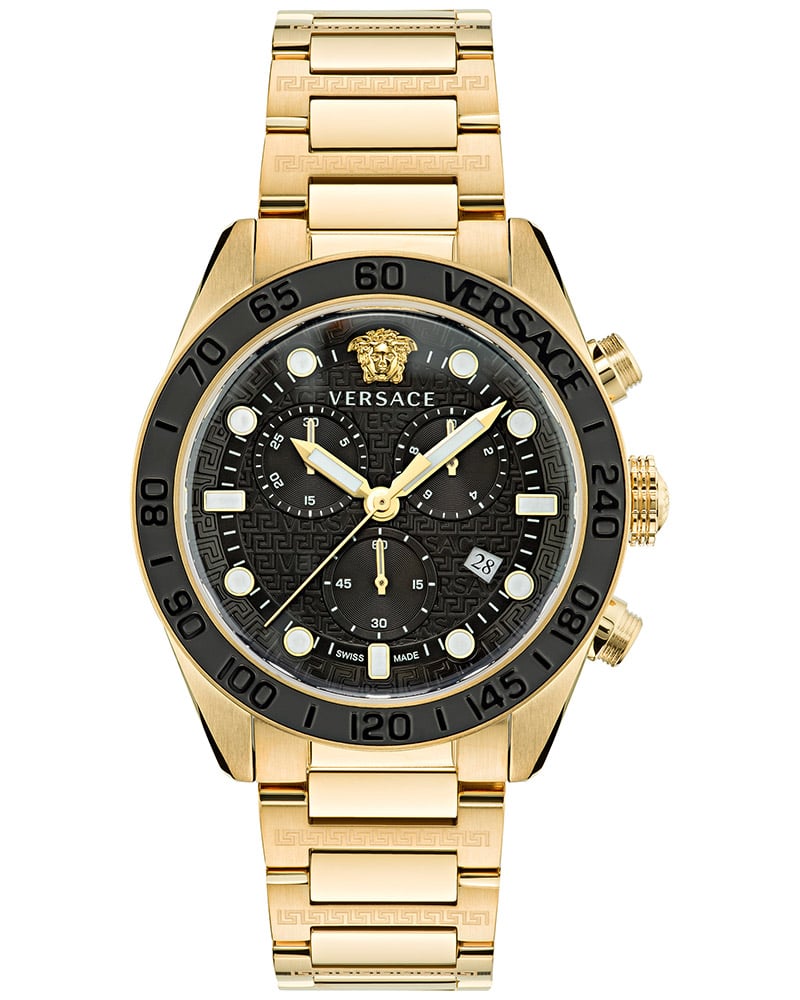
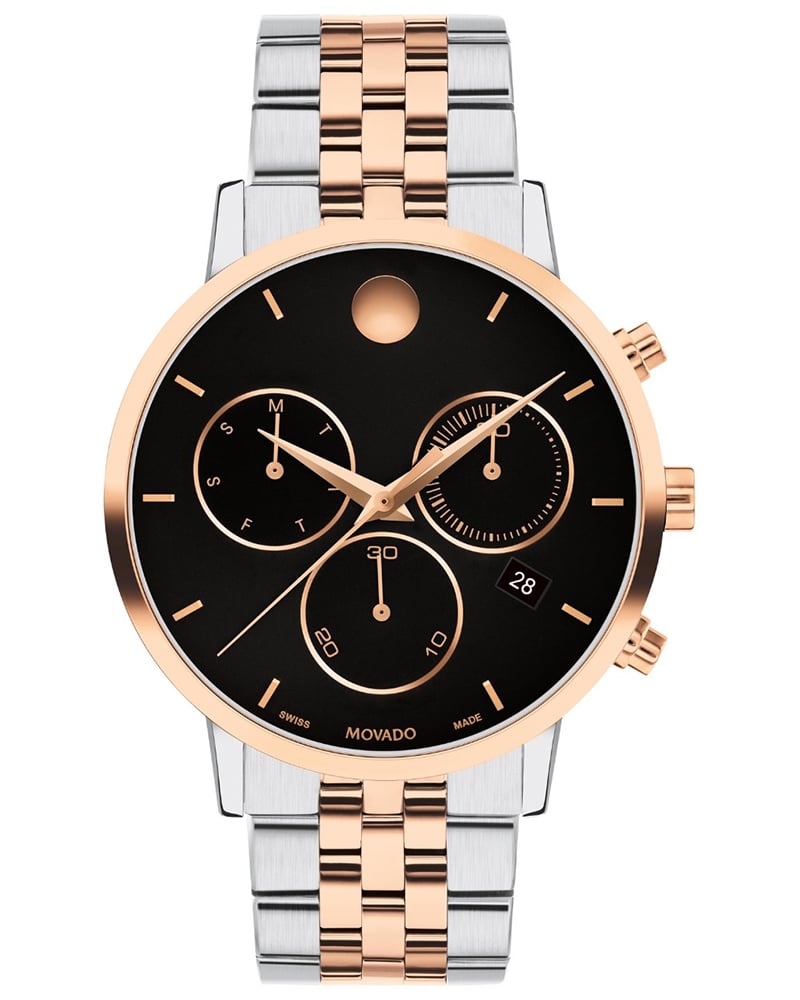
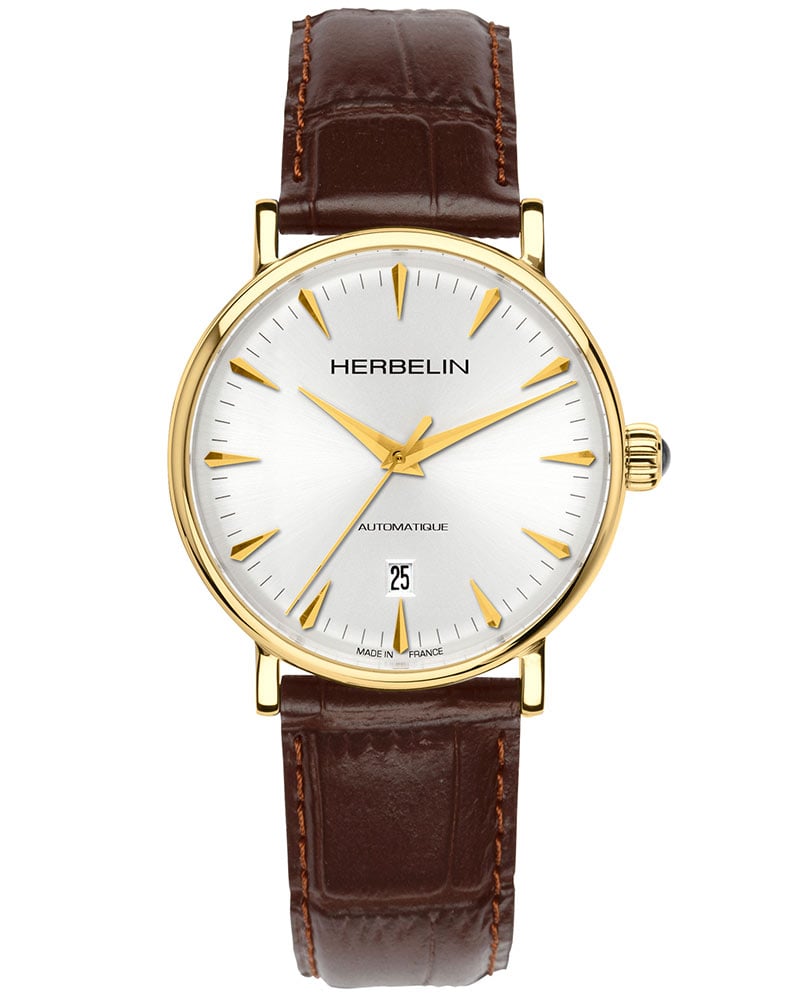
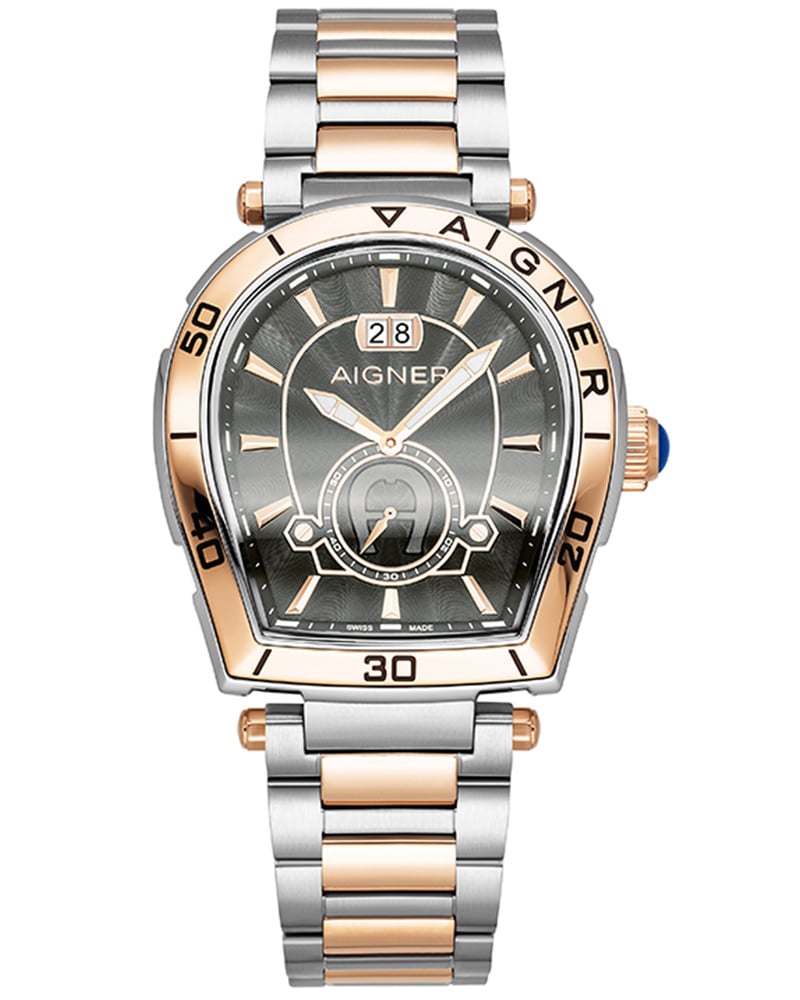
Below are a few standout examples of brands pushing the boundaries of material innovation.