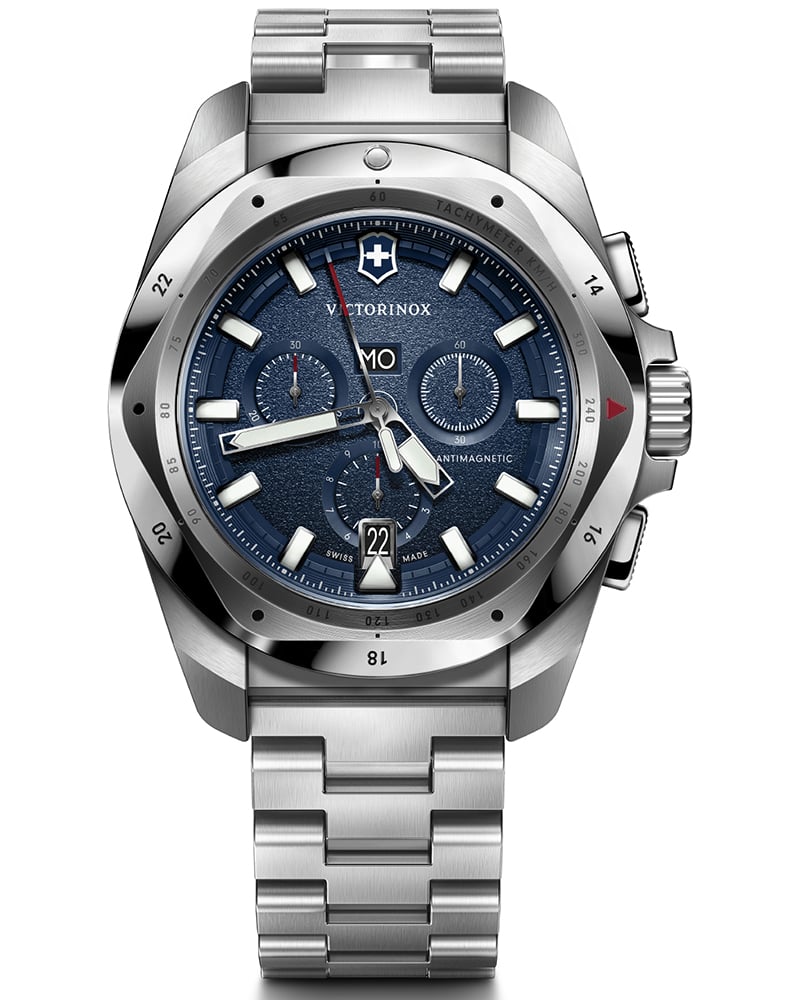
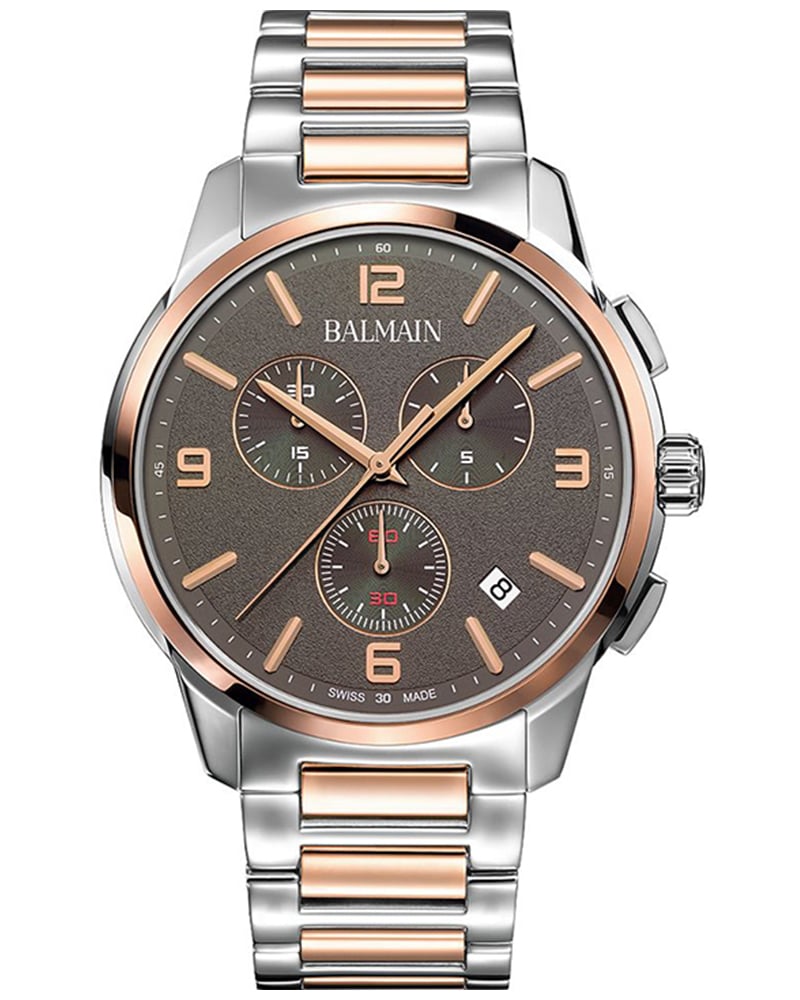
Quartz Movement
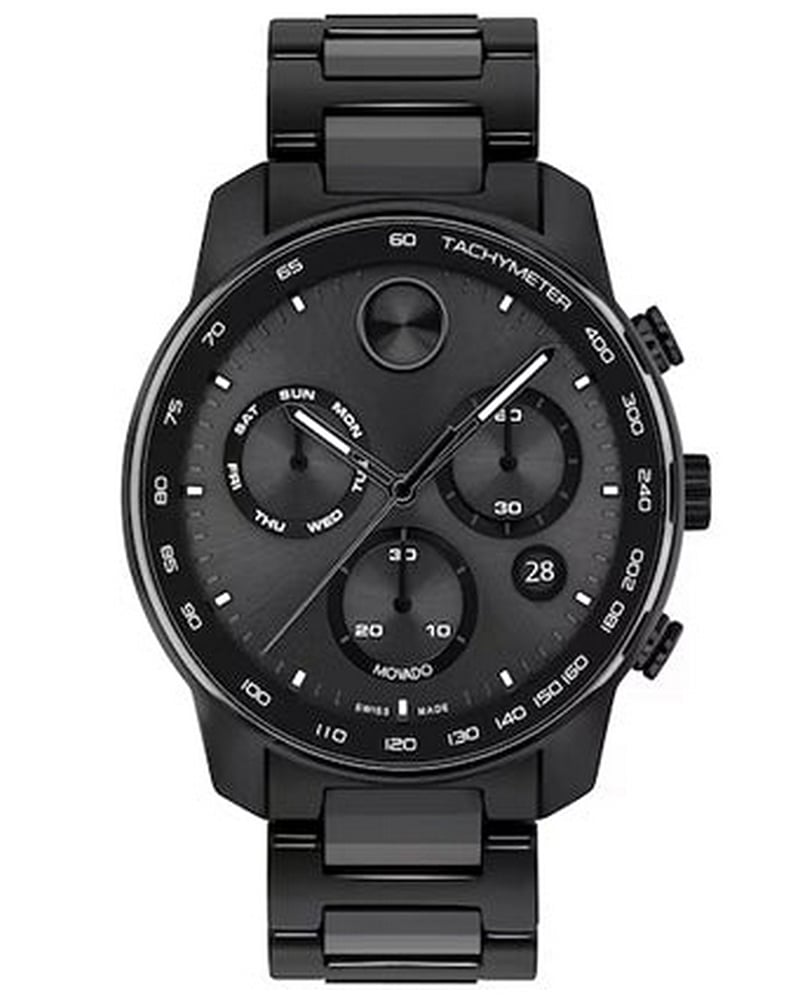
When a tiny crystal flecks like a hummingbird’s heartbeat 32,768 times per second, you have quartz watchmaking at work. This steady vibration translates into one tick per second for the hands and informs time. With technology evolving faster than ever, the “battery” in these watches doesn’t always have to be replaced.
Many quartz watches use solar-power systems like Citizen’s Eco-Drive, which use hidden cells under the dial to convert any kind of light into energy stored in a rechargeable battery. Some brands also use kinetic systems that turn your wrist movement into power.
How it works: A quartz movement draws its energy from a battery, the powerhouse behind most everyday timepieces. The battery sends an electric current through a tiny quartz crystal, setting it into rapid vibration. These steady vibrations are then translated by an integrated circuit into pulses that move the watch hands, one second at a time.
Accuracy: This mechanism ensures exceptional accuracy, often deviating by just a few seconds per month. The battery typically lasts two to five years, after which a simple replacement restores the watch’s full function.
Collector perspective: Among collectors, quartz watches often hold less sentimental value as they lack the mechanical intricacy and craftsmanship of an automatic movement. Yet, they’re unmatched in precision and accessibility, making them an enduring symbol of modern engineering in horology.
Mechanical Movement
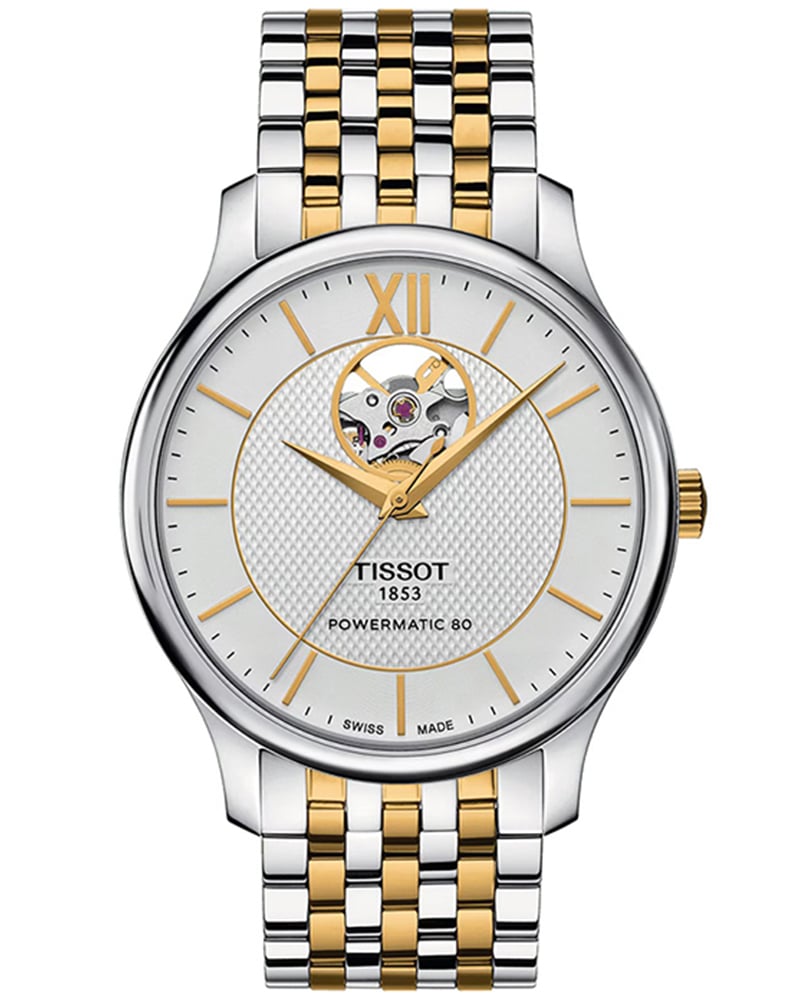
Mechanical watches are like tiny engines on your wrist, powered by nothing but gears, springs, and gravity. Instead of a battery, they store energy in a mainspring that slowly unwinds to keep the hands moving. Most everyday Swiss mechanical watches run for about 38–50 hours once fully wound. Some brands go further — Tissot’s Powermatic 80 offers up to 80 hours of power reserve, meaning you can take it off for an entire weekend and it still keeps ticking.
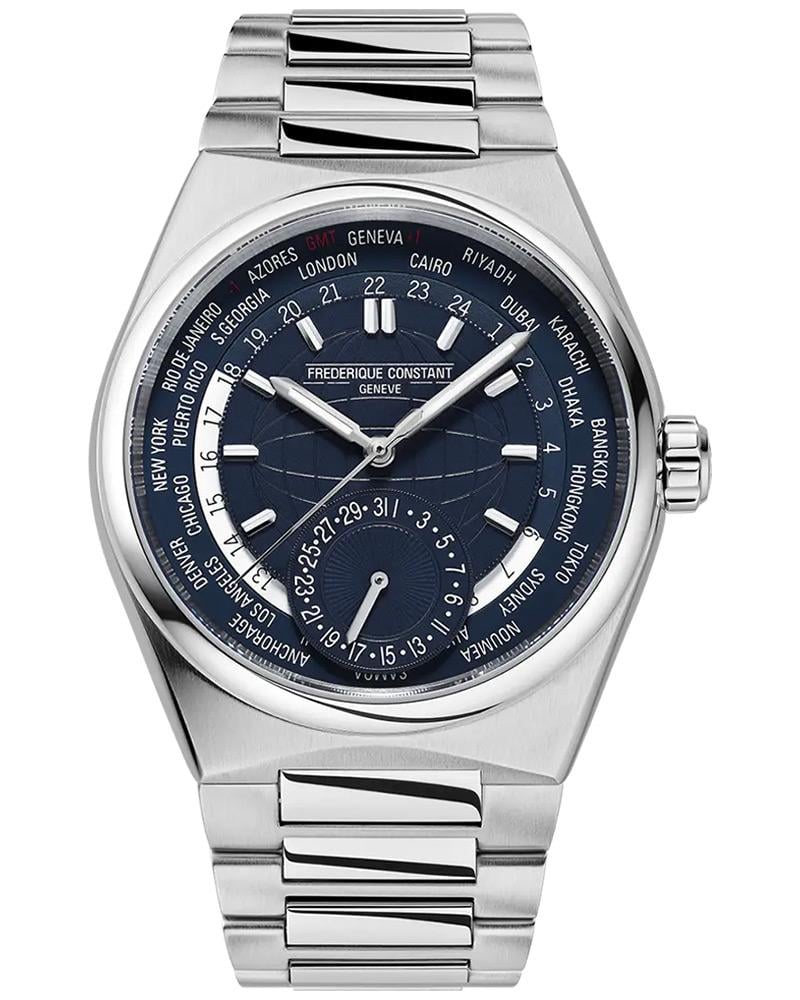
A key performance detail is the beat rate — how fast the balance wheel swings. Many modern movements beat at 28,800 vibrations per hour, giving the sweeping seconds hand its smooth motion. Brands such as Frédérique Constant also offer movements in this category, including mechanical calibres with around 50 hours of reserve and classic horological complications.
How it works: A mechanical movement is powered by a tightly wound mainspring instead of a battery. When wound, the spring gradually releases stored energy through a series of gears and an escapement. This in turn, powers the watch and operates its functions. It’s crucial to note that there are two kinds of mechanical movements:
- Hand-Wound: This movement needs to be manually wound by turning the crown, storing energy in the mainspring. It’s the purest form of watchmaking as it's intimate, traditional, and loved by purists who enjoy the daily ritual of bringing their watch to life.
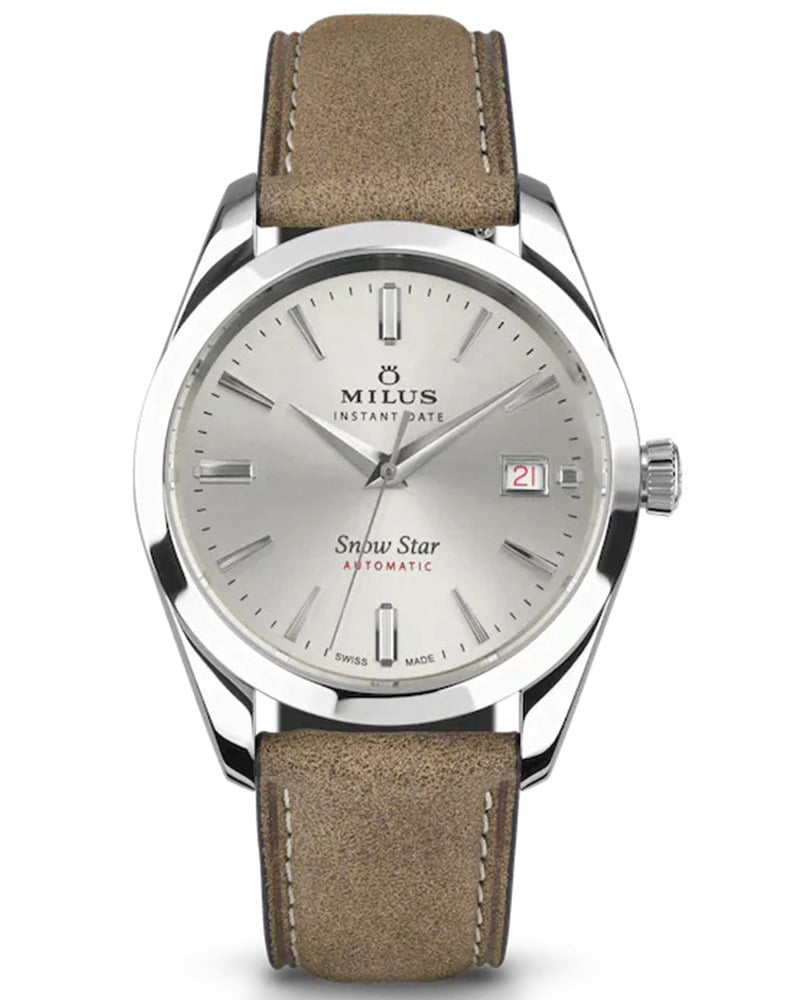
- Automatic: On the contrary, an automatic watch winds itself using a rotor that spins with the motion of your wrist. It’s mechanical at heart but designed for convenience. It harnesses natural movement to keep the watch running without manual winding.
Accuracy: While mechanical watches aren’t as precise as quartz, their charm lies in the art of regulation. They may gain or lose a few seconds per day, depending on craftsmanship and adjustment.
Collector perspective: For collectors, a mechanical watch is far more than a timekeeper — it’s a living piece of art. The movement’s complexity, the sweep of the second hand, and the craftsmanship behind each calibre hold emotional and historical value that no battery-powered watch can replicate.