- Price: High To Low
- Best Sellers
- Popularity
- Price: Low to High
- Discount




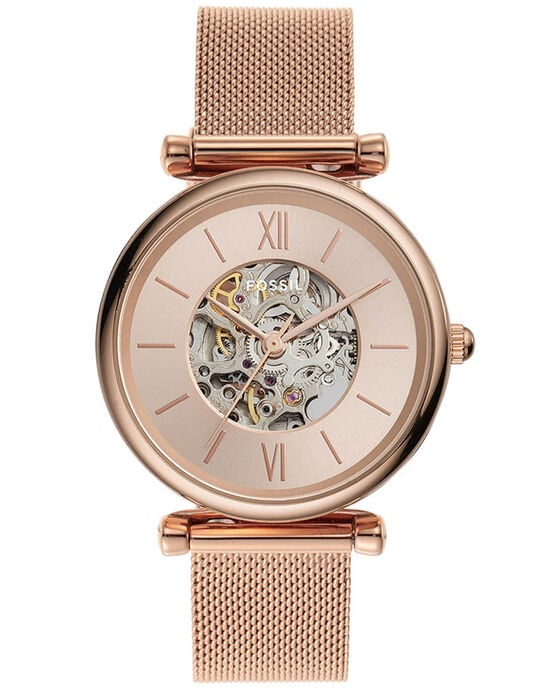


Automatic Watch: Self-Winding Mechanical Watches Powered by Your Wrist
An automatic watch is a self-winding mechanical timepiece powered by the natural motion of the wearer's wrist, which winds the mainspring without a conventional battery. For watch enthusiasts, first-time buyers, and anyone curious about how mechanical wristwatches work, this guide explains what an automatic mechanical watch is, how its key components and power reserve function, and how it compares with quartz and manual watches. Available in a wide variety of designs for men and women, automatic wristwatches remain relevant because they pair traditional watchmaking craftsmanship with everyday convenience, while also raising practical questions about accuracy, water resistance, maintenance, and what to look for before buying.
What Is an Automatic Mechanical Watch?
An automatic watch is a mechanical watch with a self-winding mechanism. As the wrist moves, a weighted rotor rotates and transfers energy to the mainspring, which stores the energy needed to operate the movement.
This means the watch is wound automatically through the natural motion of the wrist during regular wear. Once removed, it continues running until its stored power reserve is depleted.
Unlike a conventional quartz watch, an automatic wrist watch relies on mechanical components rather than a battery to power its movement.
How Does an Automatic Watch Work?
An automatic watch converts wrist movement into mechanical energy. The rotor moves with the wearer and operates the winding mechanism, gradually winding the mainspring.
The mainspring releases its stored energy through the movement, while the escapement and balance wheel regulate its release. Excessive winding can cause the balance wheel to rotate too fast, which is why automatic movements incorporate mechanisms designed to prevent the mainspring from being overwound.
Many automatic wristwatches also display a smoother-looking or high-beat seconds-hand motion than the distinct one-second steps associated with many quartz watches. The exact frequency depends on the movement.
How Do Automatic Watches Prevent Overwinding?
Automatic watches use a slipping clutch mechanism to help prevent overwinding. Once the mainspring reaches its designed winding level, a bridle allows it to slip against the inside of the barrel instead of continuing to tighten.
The slipping mainspring device was patented on 16 June 1863. The bridle allows the mainspring to wind fully without being overwound.
If the bridle grips too loosely, mainspring creep can occur, preventing the mainspring from maintaining its intended level of stored energy. This system allows an automatic watch to remain on the wrist and continue receiving energy from wrist movement without continually tightening the mainspring.
Do Automatic Watches Need a Battery?
No. A traditional automatic mechanical watch does not need a conventional battery. Energy is mechanically stored in the mainspring and replenished as the rotor responds to wrist movement.
Many automatic movements can also be manually wound using the crown. This can be useful if the watch has stopped after being left unworn for several days.
The battery-free mechanical movement is one of the defining characteristics of automatic watches.
What Happens If an Automatic Watch Is Not Worn?
If an automatic watch is not worn regularly, it can stop once its stored power reserve has been exhausted. The watch may then need to be manually wound before it can restart.
Once it is running and returned to the wrist, the natural motion of the wearer allows it to be wound automatically again.
This is normal behaviour for an automatic movement and does not necessarily indicate a mechanical problem.
How Long Is an Automatic Watch Power Reserve?
A fully wound automatic watch typically provides approximately 38 to 72 hours of power reserve, depending on the movement. Many conventional automatic movements provide around 38 to 48 hours.
The power reserve determines how long the watch can continue operating after it has been removed from the wrist. Some movements provide enough stored energy to continue operating for several days.
Always check the manufacturer's stated power reserve for the exact model, as specifications vary across the collection of automatic watches available.
Automatic Watches vs Manual Mechanical Watches
Automatic and manually wound watches are both mechanical, but the winding approach differs.
A manual mechanical watch requires the wearer to wind its mainspring through the crown. An automatic watch adds a rotor and self-winding mechanism, allowing it to be wound automatically through wrist movement.
Both provide a traditional mechanical watchmaking experience, while automatic winding can make regular ownership more convenient.
Automatic Watches vs Quartz Watches
An automatic watch uses a mechanical movement powered by energy stored in a mainspring. A conventional quartz watch uses a battery and quartz oscillator.
Quartz watches are generally more accurate than automatic watches. Automatic watches instead appeal to buyers who value mechanical engineering, craftsmanship and the interaction of numerous components within the movement.
Automatic watches can also have significant collectible and resale value. The price at which individual watches are sold depends on factors such as brand, reference, condition, rarity and market demand.
The Mechanical Craftsmanship Inside Automatic Watches
Automatic movements contain intricate mechanical components including the rotor, mainspring, gear train, escapement and balance wheel. These parts work together to convert movement into regulated mechanical timekeeping.
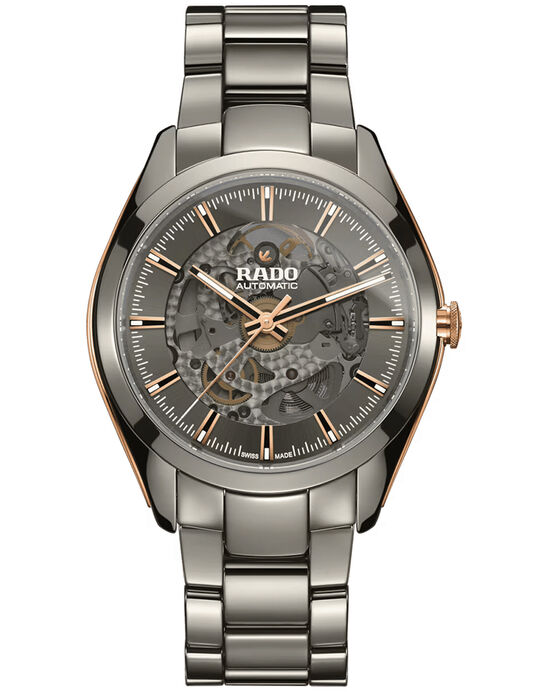
Skeleton designs and exhibition case backs can make some of these inner mechanics visible. Depending on the design, the wearer may see gears, bridges, the rotor and other components operating within the watch.
This mechanical complexity is an important reason automatic watches continue to hold a distinctive place among watch enthusiasts.
Automatic Watches for Men
Automatic watches for men are available in a broad variety of designs, from understated dress watches suited to formal settings to contemporary everyday and sport-inspired models.
An automatic watch for men can be chosen according to case size, movement, power reserve, dial, water resistance and bracelet or strap. Stainless steel creates a versatile appearance, while an automatic leather watch provides a more traditional character.
Automatic Watches for Women
A women automatic watch combines self-winding mechanical engineering with different case proportions, dial designs and finishes.
Women's automatic wristwatches are available in a variety of styles, from understated everyday pieces to more decorative designs. Depending on the individual model, shoppers may find metallic, gold, silver, black or monochrome watches suited to different wardrobes.
Automatic Leather Watch Designs
An automatic leather watch pairs a self-winding movement with the traditional character of a leather strap. This combination works particularly well with dress watches, formal wear, professional wardrobes and refined everyday styles.
Leather offers a softer alternative to a metal bracelet and is available in a variety of finishes, including classic brown and black. Strap colour and texture can significantly change the character of an automatic watch.
Because leather can be affected by moisture and regular wear, follow the manufacturer's care instructions for the individual strap.
Are Automatic Watches Accurate?
Yes. Automatic watches provide reliable mechanical timekeeping, although quartz watches are generally more accurate.
The accuracy of an automatic watch depends on factors such as its movement, regulation, condition and use. Because the balance wheel plays a central role in regulating mechanical timekeeping, abnormal movement behaviour can affect accuracy.
Are Automatic Watches Water-Resistant?
Some automatic watches are water-resistant, but the automatic movement itself does not determine the water-resistance rating.
An automatic dress watch and an automatic dive watch may have very different ratings despite both using self-winding mechanical movements.
Always check the stated water-resistance specification before swimming, diving or exposing an automatic watch to significant amounts of water.
How Often Should an Automatic Watch Be Serviced?
Automatic watches require periodic professional servicing to maintain their mechanical components. A commonly recommended interval is around every three to five years, although the correct schedule depends on the movement, manufacturer and usage.
Professional servicing may include inspection, cleaning, lubrication and adjustment of the movement.
Automatic Watches for Everyday Wear
An automatic wrist watch can be particularly convenient for everyday wear because regular wrist movement supports the self-winding process.
For daily use, consider case size, power reserve, dial readability, water resistance and strap or bracelet. Buyers can choose from a wide variety of automatic watches, including steel, leather, black, gold and more understated monochrome watches.
How to Choose an Automatic Watch
Start with the movement and power reserve. A longer power reserve may be useful if the watch will occasionally remain unworn for several days.
Next, compare case size, water resistance, dial readability and materials. Consider whether a metal bracelet, automatic leather watch, sport-inspired model or refined dress watch best fits your routine.
Finally, compare design and price across the available collection. Whether choosing an automatic watch for men or women, the movement and physical design should both suit the intended use.
Why Choose an Automatic Mechanical Watch?
An automatic mechanical watch provides a direct experience of traditional mechanical engineering. Instead of using a conventional battery, interacting mechanical components store, regulate and release energy to measure time.
Skeleton and exhibition designs can also reveal the intricate mechanics inside the watch. This visible engineering gives automatic watches a distinctive character compared with electronic quartz timepieces.
With appropriate maintenance, automatic watches can remain operational for generations, contributing to their appeal among enthusiasts and collectors.
Buy Automatic Watches in India at Helios
Helios Watch Store offers a broad collection of automatic watches from international watch brands in India. Helios is also a reliable shop destination for buyers looking to compare automatic watches in one place. Customers can find automatic watches for men, women's automatic watches, leather-strap designs, metal-bracelet models and mechanical watches across different styles and price ranges.
Compare movement, power reserve, case size, materials, water resistance and strap or bracelet before choosing. Individual product pages provide model-specific specifications, current prices and availability for watches sold through Helios.
Whether you are searching for an automatic wrist watch, automatic leather watch, men's automatic watches, automatic watch for men, women automatic watch or monochrome watches, Helios offers a variety of mechanical timepieces to explore.
FAQs About Automatic Watches
What is an automatic watch and how does it work?
An automatic watch is a mechanical watch that uses the natural motion of the wrist to wind its mainspring. A weighted rotor moves with the wrist and transfers energy to the winding mechanism, allowing the watch to be wound automatically during regular wear.
Do automatic watches need a battery?
No. A traditional automatic mechanical watch does not require a conventional battery. It stores mechanical energy in a mainspring that is wound by the automatic rotor and, in compatible movements, manually through the crown.
How long can an automatic watch run without wearing it?
A fully wound automatic watch typically provides around 38 to 72 hours of power reserve, while many conventional movements offer approximately 38 to 48 hours. Once the reserve is exhausted, the watch stops and may need to be manually wound before restarting.
Are automatic watches more accurate than quartz watches?
Generally, no. Quartz watches typically provide greater timekeeping accuracy. Automatic watches are instead valued for their mechanical engineering, craftsmanship, self-winding operation and collectible appeal.
Are automatic watches water-resistant?
Some are. Water resistance depends on the construction and rating of the individual watch rather than its automatic movement. Always check the specific water-resistance rating before swimming or diving.
POPULAR SEARCHES: Watches For Men | Watches For Women | Top Brands | Branded Watches for Men | Branded Watches for Women | Wrist Watches | Wrist Watches for Men | Wrist Watches for Women | Automatic Watches | Mechanical Watches | Solar Watches | Quartz Watches | Ecodrive Watches | Smart & Digital Watches | Luxury Watches | Smartwatches | Watches Online | Couple Watches | Analog Watches | Chronograph Watches | Leather Watches | Offers | Store Near Me
POPULAR BRANDS:
Aigner watches | Alexander Shorokhoff watches | Amazfit watches | Anne Klein watches | Armani Exchange watches | Auguste Reymond watches | Balmain watches | Boss watches | Calvin Klein watches | Casio watches | Cerruti 1881 watches | Charriol watches | Citizen watches | Concord watches | Daniel Wellington watches | Diesel watches | Ducati watches | Edge watches | Emporio Armani watches | Ernest Borel watches | Fitbit watches | Fossil watches | Frederique Constant watches | Garmin watches | GC watches | G-Shock watches | Guess watches | Herbelin watches | Just Cavalli watches | Kenneth Cole watches | King Seiko watches | Michael Kors watches | Milus watches | Movado watches | Police watches | Rado watches | Raga watches | Roamer watches | Roberto Cavalli watches | Seiko watches | SevenFriday watches | Swarovski watches | Tissot watches | Titan watches | Titan Smart watches | Tommy Hilfiger watches | U Boat watches | Versace watches | Victorinox watches | Xylys watchesCollection Price List
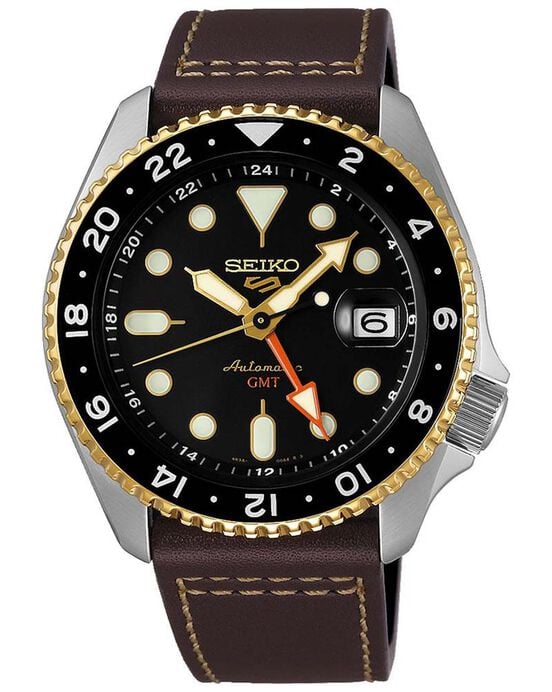
| Seiko Men NEW 5 SPORTS | Rs. 55000 |
| Boss Men TROPER AUTOMATIC | Rs. 15705 |
| Milus Men LAB 01 | Rs. 49000 |
| Citizen Men AUTOMATIC | Rs. 39900 |
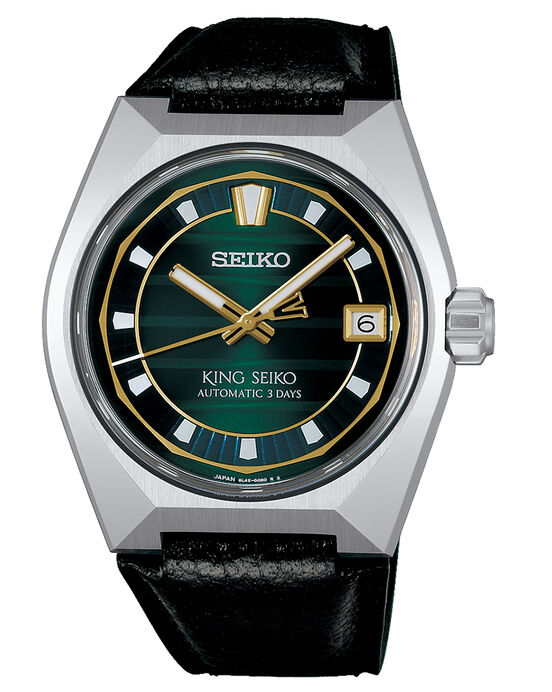
| King Seiko Men KING SEIKO | Rs. 320000 |
| Rado Men HYPERCHROME | Rs. 364600 |
| Alexander Shorokhoff Men VOLLKALENDER CADAMOMO | Rs. 399999 |
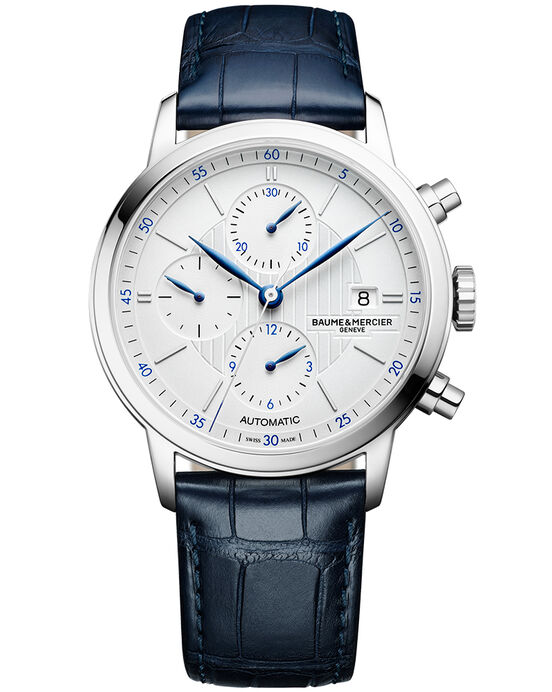
| Baume et Mercier Men CLASSIMA | Rs. 305000 |
| SevenFriday Unisex ME SERIES | Rs. 179900 |
| Fossil Women CARLIE | Rs. 17495 |

Loading...


