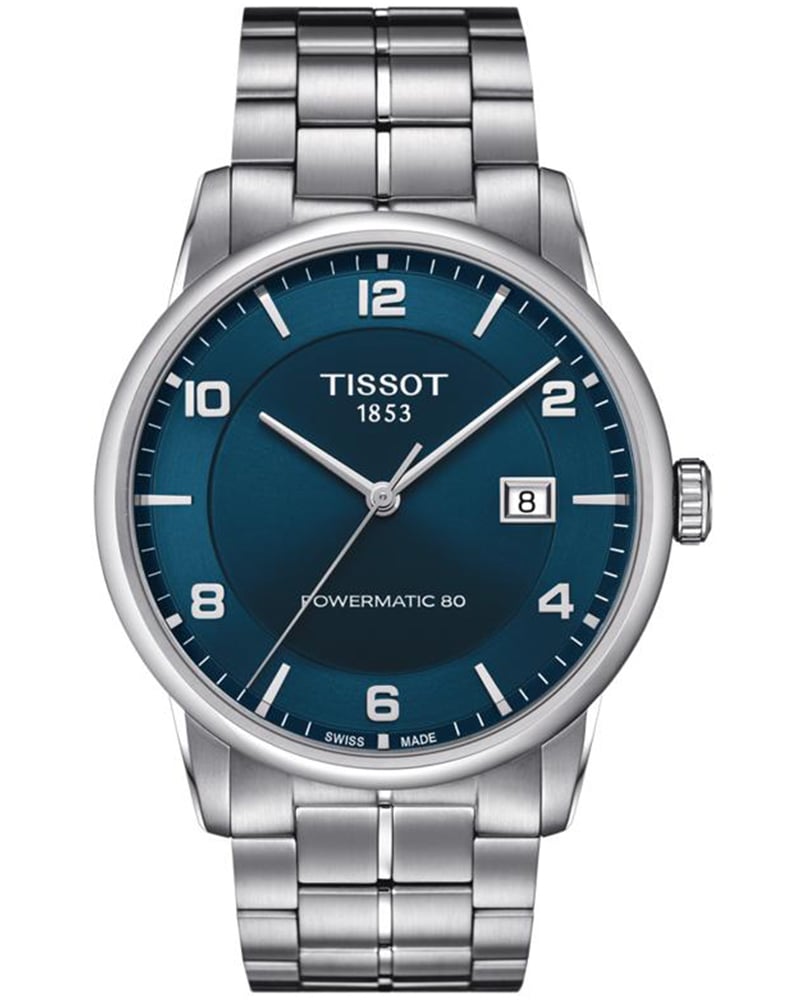
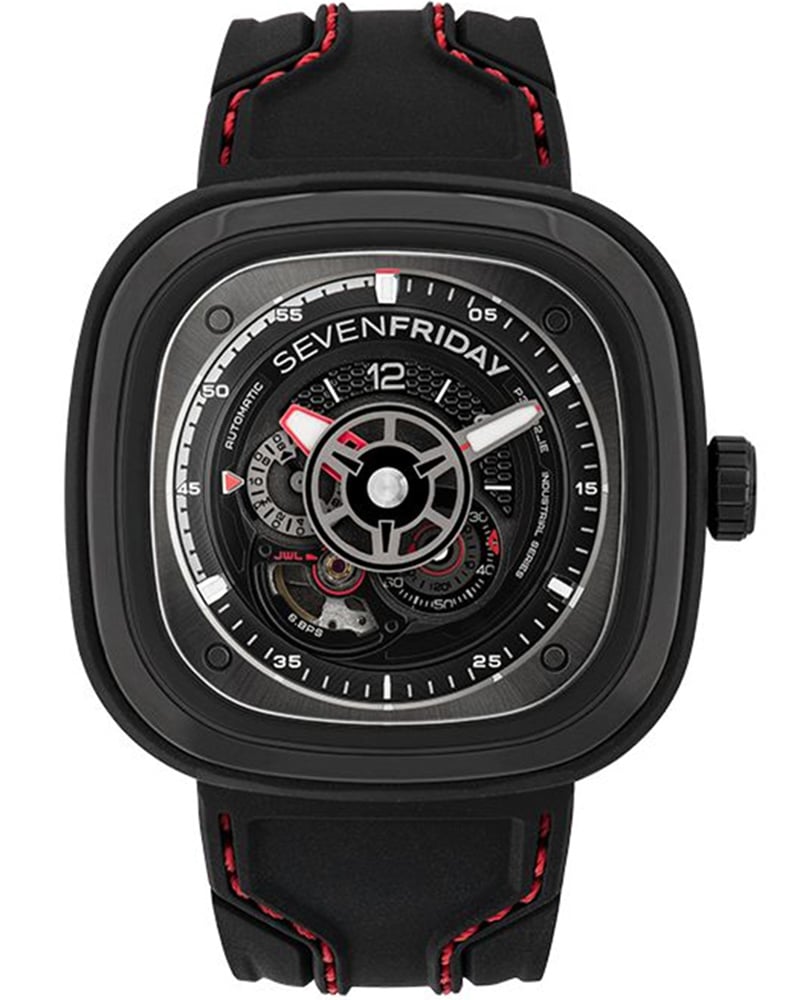
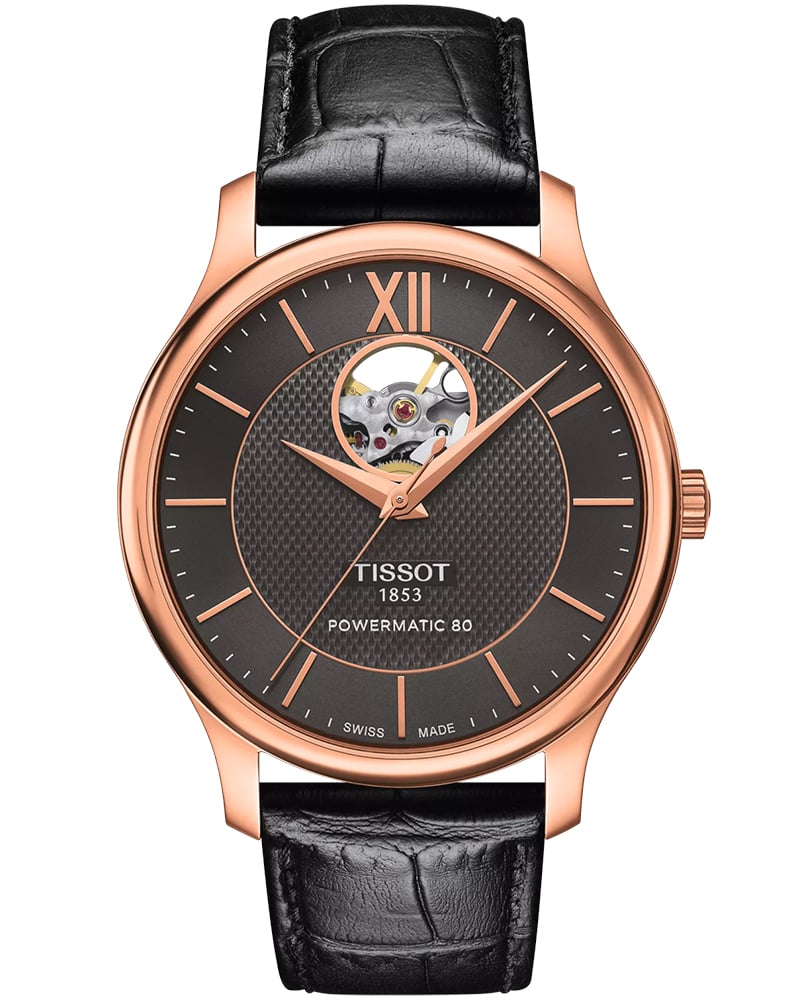
The story of men’s automatic watches is rooted in history. The first wristwatch marked a significant milestone in the evolution of men's watches, setting a precedent for personal timekeeping and horological innovation.
Born from centuries of innovation, these timepieces operate without batteries—relying instead on the kinetic motion of your wrist. In 2025, brands have elevated this concept with enhanced performance security, more accurate movements, and visually compelling designs.
From the ray ID of internal parts to blocked shock resistance systems, every component today reflects advanced horology. The first automatic watch, such as the pioneering Rolex Datejust, represented a major milestone by combining an automatic movement with additional features like a date display.
While traditional mechanical watches rely on manual winding and showcase intricate craftsmanship, automatic watches introduced a new level of convenience and innovation, marking a significant transition in watchmaking. The introduction of new movements continues to drive the evolution of men's automatic watches, pushing the boundaries of performance and design.
Key Features of Men’s Automatic Watches
These men’s automatic watches stand out due to their innovative watch features, combining advanced technology with timeless design.
- Self-Winding Movement: Utilizes automatic winding, powering itself through your wrist motion—no battery needed.
- Power Reserve Indicator: Some models include a power reserve indicator, showing how much energy remains in the watch for added practicality.
- Longevity: Designed to last for decades with proper care.
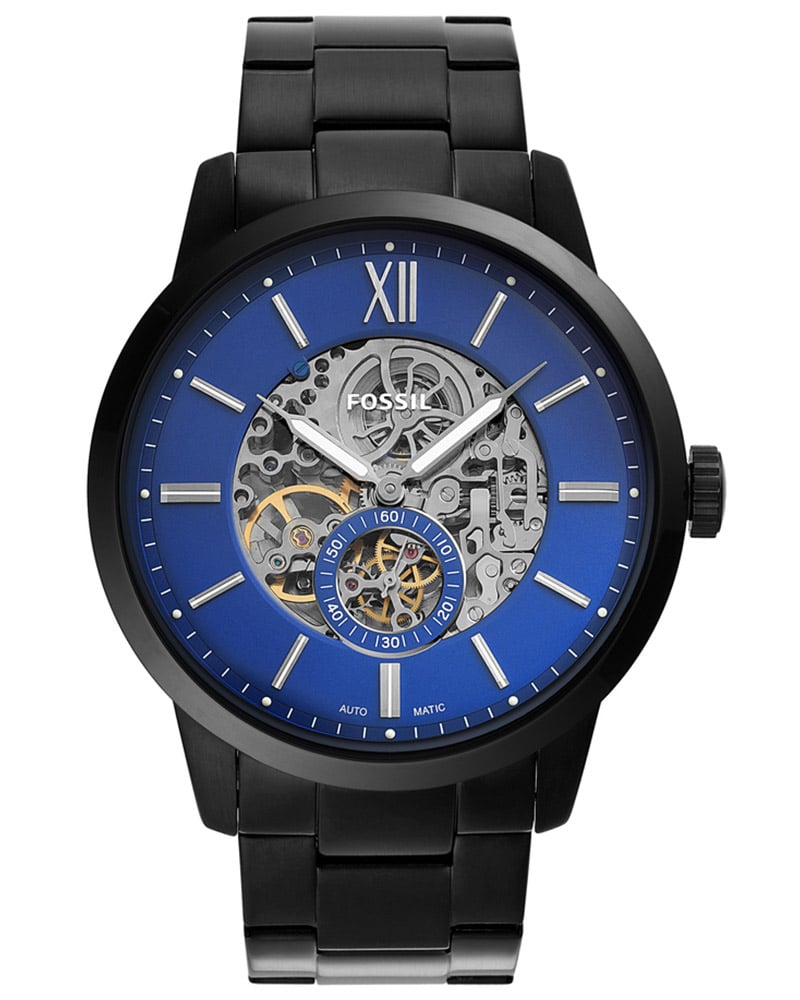
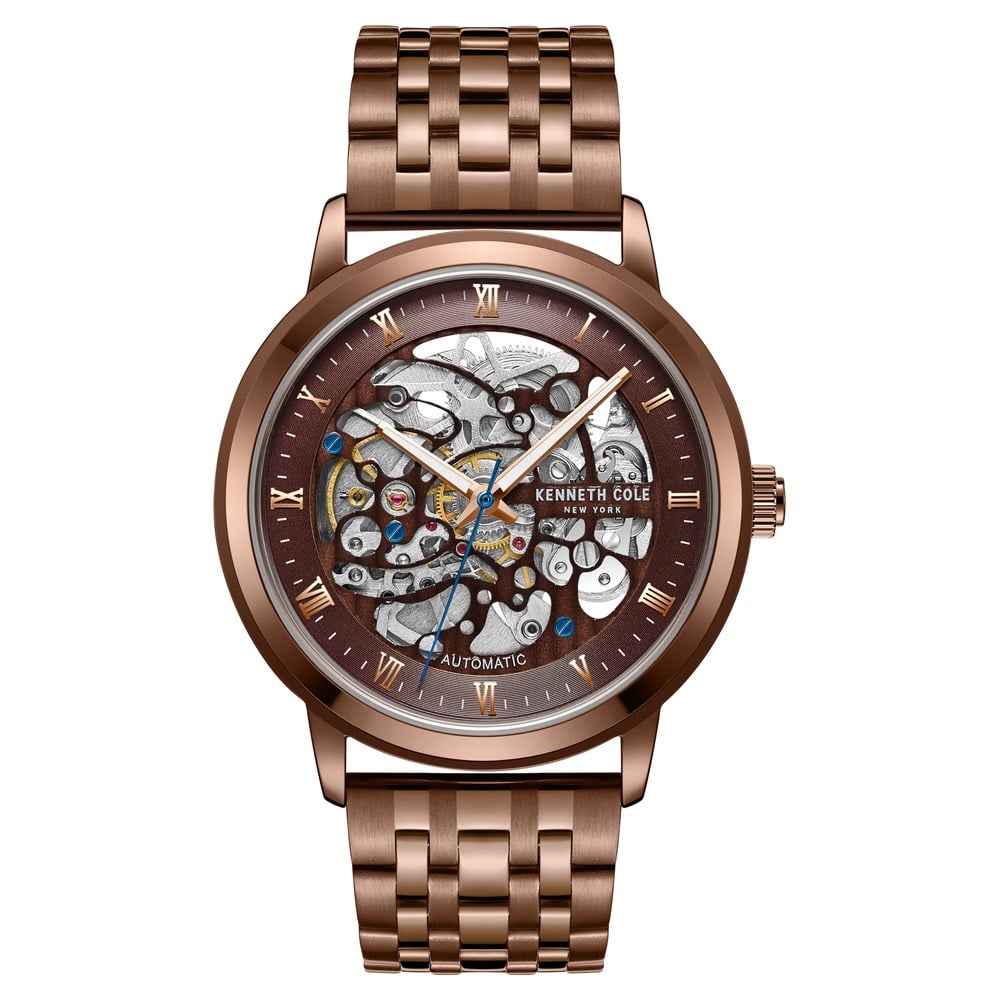
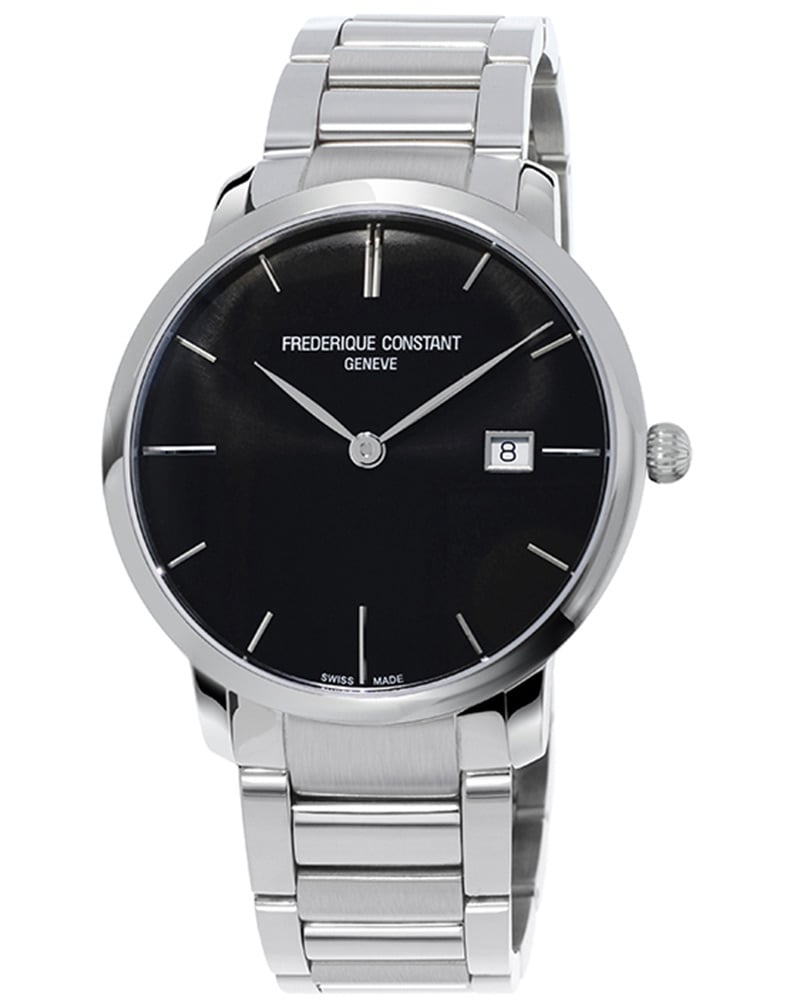
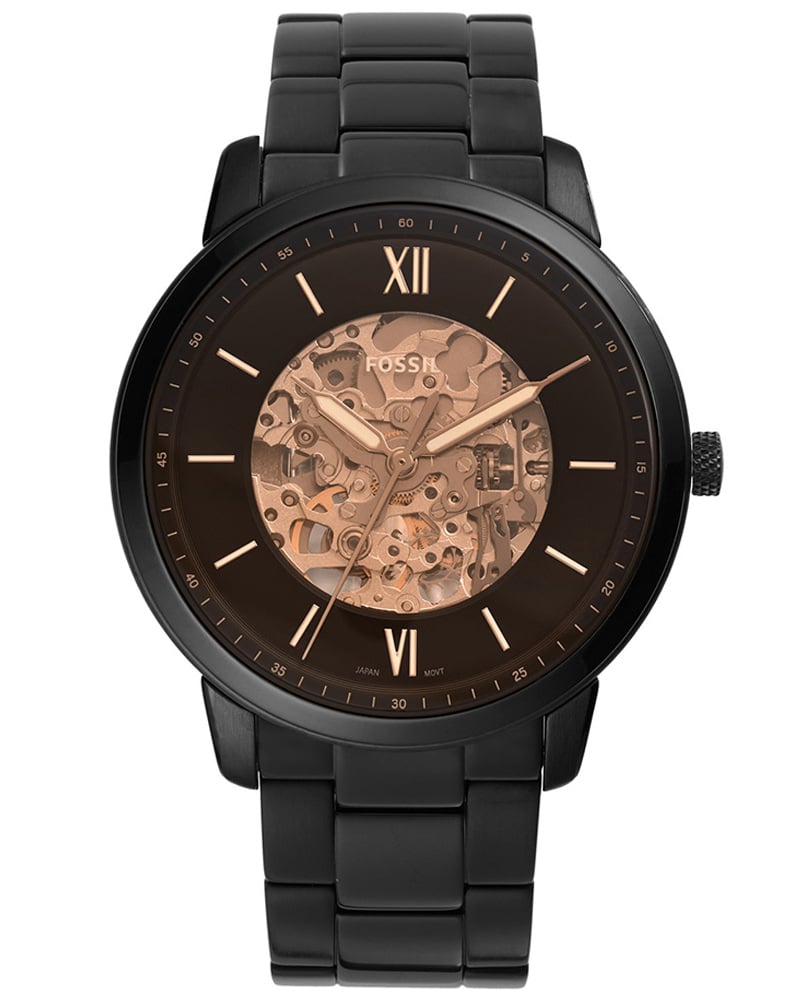
- Craftsmanship: Each watch, especially those from Fossil, Frederique Constant, and Kenneth Cole, represents expert engineering. Modern movements often incorporate silicon components in critical areas like the escapement, enhancing accuracy, durability, and resistance to magnetic fields.
- Style Meets Substance: These watches are not only timekeepers but also statements of character and action. Iconic models are often recognized for the distinctive design of their hour hand, which contributes to their unique style and historical appeal.
Luxury Watch Brands in Automatic Watchmaking
Luxury watch brands have long been the driving force behind the evolution of the automatic watch, blending tradition with cutting-edge innovation. Patek Philippe, Audemars Piguet, and Vacheron Constantin are legendary names that have shaped the landscape of fine watchmaking for generations. The journey began with the first automatic watch, a breakthrough in self-winding mechanisms that forever changed how watches were worn and enjoyed.
Today, these luxury watch brands continue to set the standard for excellence. The Audemars Piguet Royal Oak, for example, is celebrated for its distinctive style and robust self-winding movement, offering a power reserve of up to 60 hours.
Patek Philippe’s Calibre 89 stands as a marvel of horological engineering, featuring a perpetual calendar, minute repeater, and a total of 33 complications—making it one of the most complex automatic watches ever created. Vacheron Constantin, with its storied history, is renowned for crafting timepieces that combine technical mastery with timeless elegance.
From the first automatic watch to the latest grand complication models, these luxury watch brands continue to push the boundaries of what’s possible, ensuring that every automatic watch is not just a tool for telling time, but a true work of art.
Iconic Automatic Watch Designs Through History
Throughout horological history, certain automatic watch designs have achieved icon status, influencing the watch industry and captivating collectors worldwide.
The Rolex Daytona, introduced in 1963, is a prime example—its bold, sporty aesthetic and reliable automatic movement have made it a favorite among racing enthusiasts and celebrities alike. The Omega Speedmaster, famously worn during manned space missions, is another legendary automatic watch, celebrated for its robust design and association with exploration.
Perhaps no watch has redefined luxury sports watches quite like the Audemars Piguet Royal Oak. Designed by Gérald Genta in 1972, the Royal Oak broke conventions with its octagonal bezel, integrated bracelet, and automatic movement, setting a new standard for both form and function.
These iconic automatic watches have not only stood the test of time but have also inspired countless other brands and models, ensuring their influence endures in contemporary watchmaking.