The Language of Hands in Fine Watchmaking
Before the rise of bold bezels and openworked movements, it was the humble watch hand that first defined the soul of a timepiece. In early Swiss workshops, hands were shaped and polished individually — cut from brass or steel, bevelled by hand, and heat-blued over an open flame until they glowed with that unmistakable royal sheen. These tiny, delicate components travelled through the same artisanal lineage as movements themselves, carrying centuries of craft, precision, and quiet artistry.
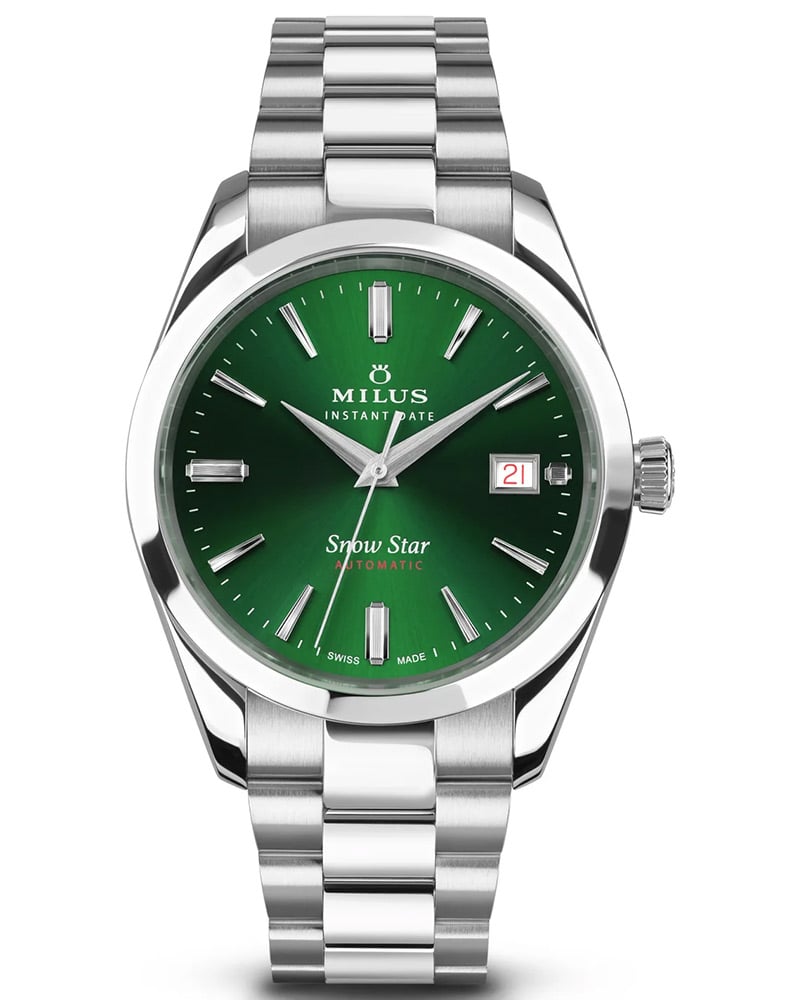
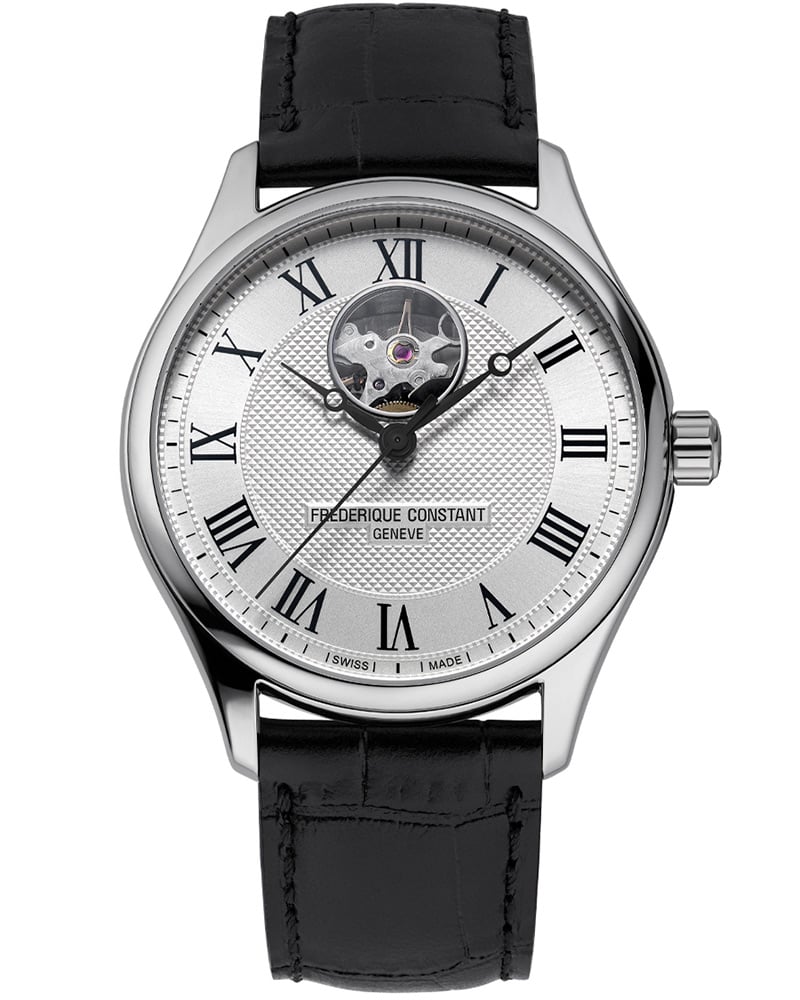
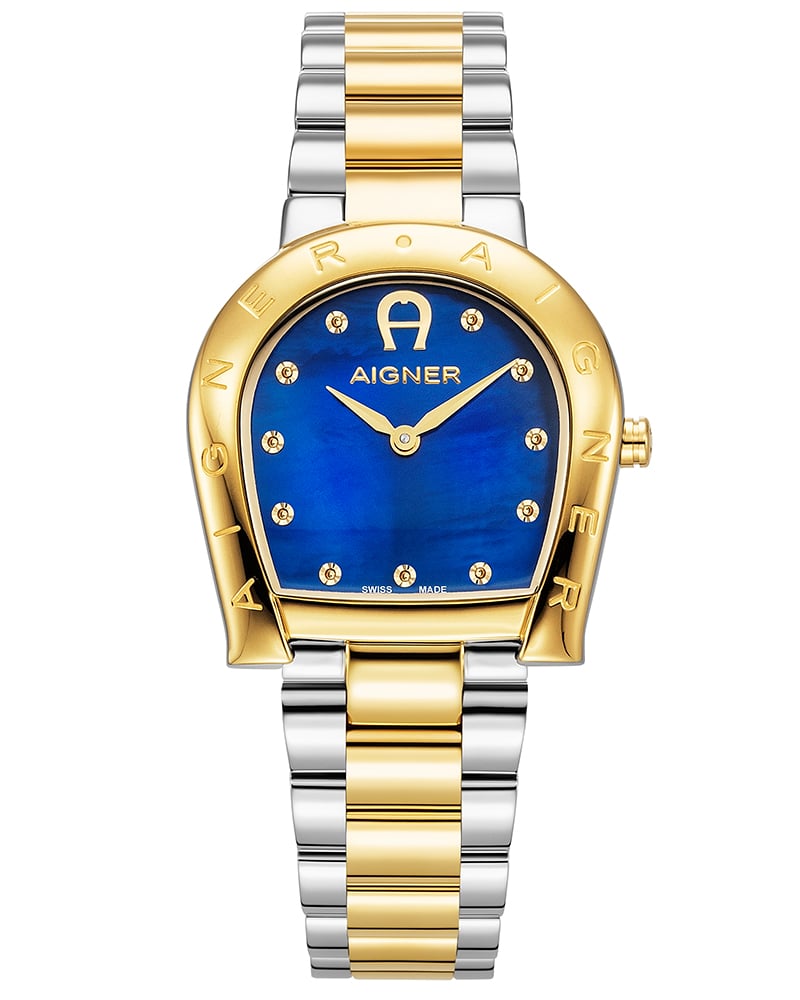
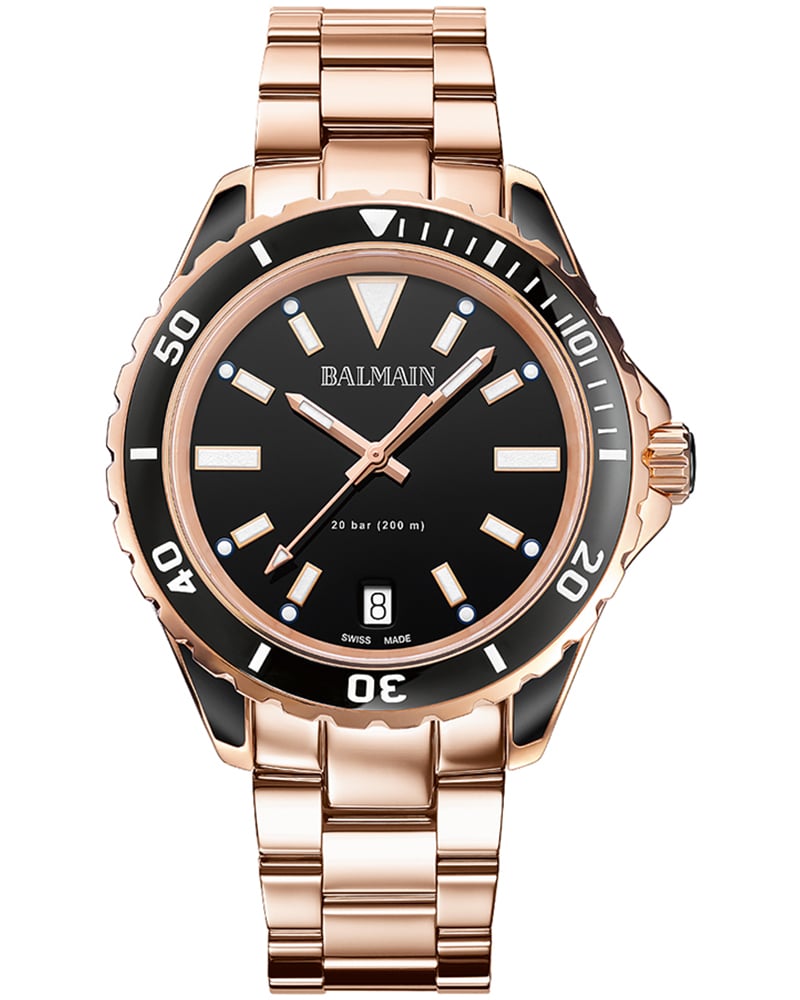
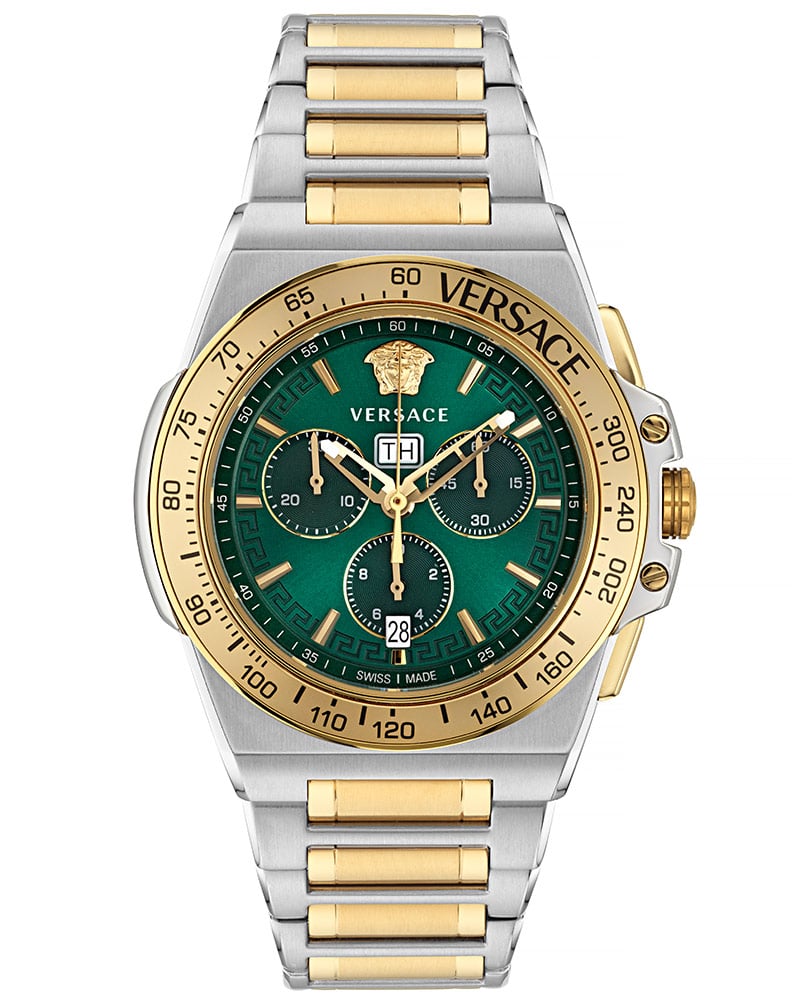
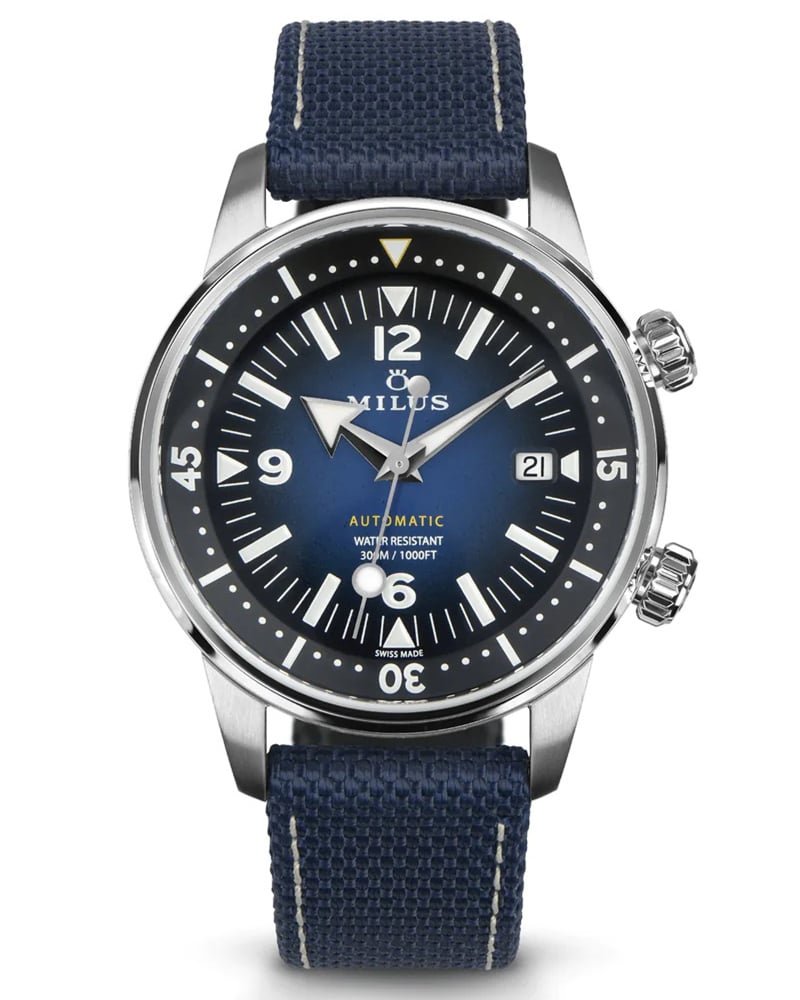
As watchmaking evolved, so did the language of hands. What began as simple pointers soon diversified into a remarkable spectrum of forms: from the cathedral hands of early military watches and the syringe hands of aviators to the iconic snowflake and Mercedes style. Each silhouette emerged from a purpose: clarity in battle, readability underwater, elegance on the wrist, or sheer decorative flourish. Today, hand design is no longer an afterthought; it is a signature, an identity, often the element that makes a watch instantly recognisable across the room.